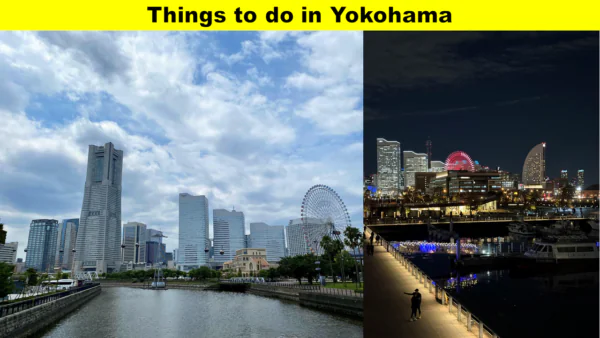
Things to do in Yokohama based on NeemTime research from most popular to just popular.
Yokohama Chinatown, Yokohama
Overview: Yokohama Chinatown, Yokohama is a vibrant district filled with colorful temples, bustling streets, and authentic Chinese cuisine.
History: Established in the mid-19th century when Chinese immigrants settled in Yokohama following Japan’s opening to foreign trade.
Since When: Operating as a cultural and commercial hub since the 1860s.
Review: Visitors enjoy the lively streets, traditional architecture, and diverse food offerings.
When to Go: Afternoons and evenings are ideal for dining and exploring.
How to Go: Easily accessible by train to Motomachi-Chukagai Station or a short taxi ride from central Yokohama.
What to Do: Guests can explore shops, try street food, visit temples, and take photos of the vibrant streets.
Free or Paid: Walking around is free; food, shopping, and temple donations are paid.
Yokohama Red Brick Warehouse, Yokohama
Overview: Yokohama Red Brick Warehouse, Yokohama is a historic building transformed into a cultural, shopping, and dining complex.
History: Originally built in the early 20th century as customs warehouses during the port expansion of Yokohama.
Since When: Repurposed for public use since 2002.
Review: Visitors praise the combination of historic architecture, boutiques, and seasonal events.
When to Go: Late mornings to evenings are ideal, especially during festivals or special exhibitions.
How to Go: Accessible via Minato Mirai Line to Bashamichi Station or a 10-minute walk from Sakuragicho Station.
What to Do: Guests can shop, dine, attend events, and enjoy the historic architecture.
Free or Paid: Entry is free; shopping, dining, and events are paid.
Yokohama Landmark Tower, Yokohama
Overview: Yokohama Landmark Tower, Yokohama is one of Japan’s tallest buildings featuring offices, a hotel, shops, and an observation deck.
History: Constructed as part of the Minato Mirai 21 urban development project to modernize the city’s waterfront.
Since When: Completed and opened in 1993.
Review: Visitors enjoy panoramic city and bay views from the Sky Garden observation deck.
When to Go: Sunset or evening hours are ideal for city lights and bay views.
How to Go: Accessible via Minato Mirai Line to Landmark Tower Station or by taxi.
What to Do: Guests can enjoy the observation deck, shopping, dining, and hotel facilities.
Free or Paid: Observation deck is paid; shopping and public areas are free.
Yamashita Park, Yokohama
Overview: Yamashita Park, Yokohama is a scenic waterfront park featuring gardens, walking paths, fountains, and views of Yokohama Bay.
History: Created after the 1923 Great Kanto Earthquake to provide green space and a seaside promenade.
Since When: Open to the public since 1930.
Review: Visitors enjoy the relaxing atmosphere, bay views, and well-maintained gardens.
When to Go: Morning or late afternoon is ideal for walking and sightseeing.
How to Go: Accessible via Motomachi-Chukagai Station or nearby bus stops.
What to Do: Guests can walk, relax, take photos, and enjoy seasonal flower displays.
Free or Paid: Entry is free.
Cup Noodles Museum, Yokohama
Overview: Cup Noodles Museum, Yokohama is an interactive museum celebrating the invention and cultural impact of instant ramen noodles.
History: Built to honor Momofuku Ando, the inventor of instant noodles.
Since When: Opened in 2011.
Review: Visitors enjoy the hands-on exhibits, noodle-making workshops, and creative displays.
When to Go: Weekdays or mornings are best to avoid crowds.
How to Go: Accessible via Minato Mirai Line to Minatomirai Station, then a short walk.
What to Do: Guests can design their own Cup Noodles, explore exhibits, and learn about food innovation.
Free or Paid: Museum entry and workshops are paid.
Yokohama Hakkeijima Sea Paradise, Yokohama
Overview: Yokohama Hakkeijima Sea Paradise, Yokohama is a large waterfront amusement park combining an aquarium, rides, and shopping complexes.
History: Developed to create a unique marine-themed entertainment destination in Yokohama Bay.
Since When: Opened to the public in 1993.
Review: Visitors praise the interactive aquarium exhibits, thrilling rides, and family-friendly attractions.
When to Go: Weekdays or mornings are best to avoid crowds.
How to Go: Accessible via JR Keihin-Tohoku Line to Shin-Sugita Station, then transfer to the Sea Paradise Shuttle Bus.
What to Do: Guests can enjoy the aquarium, rides, shopping, shows, and seasonal events.
Free or Paid: Entry and rides are paid.
Yokohama World Porters, Yokohama
Overview: Yokohama World Porters, Yokohama is a shopping and entertainment complex featuring stores, restaurants, and cinemas.
History: Opened as part of the redevelopment of the Minato Mirai waterfront to enhance tourism and shopping experiences.
Since When: Operating since 2002.
Review: Visitors enjoy the variety of shops, themed floors, and dining options with harbor views.
When to Go: Afternoons and weekends are ideal for shopping and events.
How to Go: Accessible via Minato Mirai Line to Bashamichi Station or a short walk from Sakuragicho Station.
What to Do: Guests can shop, dine, watch movies, and attend seasonal events.
Free or Paid: Entry is free; shopping, dining, and entertainment are paid.
Shin-Yokohama Ramen Museum, Yokohama
Overview: Shin-Yokohama Ramen Museum, Yokohama is an interactive food museum dedicated to the history and culture of ramen.
History: Created to celebrate Japan’s iconic instant and traditional ramen dishes.
Since When: Opened in 1994.
Review: Visitors love the nostalgic atmosphere, ramen tastings, and hands-on exhibits.
When to Go: Weekdays are best to avoid peak crowds.
How to Go: Accessible via Shin-Yokohama Station, a short walk from the museum.
What to Do: Guests can taste regional ramen, explore exhibits, and participate in cooking activities.
Free or Paid: Entry and tastings are paid.
Daikoku Parking Area, Yokohama
Overview: Daikoku Parking Area, Yokohama is a large highway service and rest area popular among car enthusiasts.
History: Developed as part of Japan’s expressway network to serve drivers and tourists.
Since When: Open since the late 1980s.
Review: Visitors enjoy the spacious parking, scenic harbor views, and automotive culture gatherings.
When to Go: Evenings and weekends are most lively for car enthusiasts.
How to Go: Accessible by car from Yokohama via the Shuto Expressway.
What to Do: Guests can relax, observe car meet-ups, and enjoy food outlets on-site.
Free or Paid: Parking is free; food and shopping are paid.
MARK IS Minatomirai, Yokohama
Overview: MARK IS Minatomirai, Yokohama is a modern shopping and lifestyle complex with shops, restaurants, and entertainment facilities.
History: Built to strengthen Minato Mirai’s commercial and cultural appeal.
Since When: Opened in 2013.
Review: Visitors enjoy the variety of retail outlets, restaurants, and panoramic rooftop views.
When to Go: Afternoons and weekends are ideal for shopping and dining.
How to Go: Accessible via Minato Mirai Line to Minatomirai Station.
What to Do: Guests can shop, dine, enjoy entertainment, and explore seasonal events.
Free or Paid: Entry is free; shopping, dining, and entertainment are paid.
Queen’s Square Yokohama, Yokohama
Overview: Queen’s Square Yokohama, Yokohama is a modern shopping and office complex featuring luxury stores, restaurants, and event spaces.
History: Developed to complement the Minato Mirai urban district as a premier commercial and entertainment hub.
Since When: Opened in 1997.
Review: Visitors praise the elegant shopping environment, variety of dining options, and convenient central location.
When to Go: Weekdays are best for quieter shopping; weekends for events and activities.
How to Go: Accessible via Minato Mirai Line to Minatomirai Station.
What to Do: Guests can shop, dine, attend live events, and enjoy seasonal exhibitions.
Free or Paid: Entry is free; shopping and dining are paid.
Yokohama Stadium, Yokohama
Overview: Yokohama Stadium, Yokohama is a major sports venue hosting baseball games, concerts, and large-scale events.
History: Built to serve as the home stadium for the Yokohama DeNA BayStars baseball team.
Since When: Opened in 1978.
Review: Fans enjoy the lively atmosphere, convenient seating, and modern facilities.
When to Go: During baseball season or scheduled concerts.
How to Go: Accessible via JR Negishi Line or Minato Mirai Line to Kannai Station.
What to Do: Attend sporting events, concerts, and special exhibitions.
Free or Paid: Entry is paid for events; surrounding areas are free to visit.
Pacifico Yokohama National Convention Hall, Yokohama
Overview: Pacifico Yokohama National Convention Hall, Yokohama is a major venue for conventions, exhibitions, and international conferences.
History: Constructed to establish Yokohama as a global business and conference destination.
Since When: Opened in 1991.
Review: Visitors highlight its spacious halls, modern architecture, and versatile event spaces.
When to Go: Check the event schedule; weekdays often have business conventions.
How to Go: Accessible via Minato Mirai Line to Minatomirai Station or by car via Shuto Expressway.
What to Do: Attend conferences, exhibitions, trade shows, and cultural events.
Free or Paid: Entry depends on the event; the facility itself is paid for events.
Yokohama Park, Yokohama
Overview: Yokohama Park, Yokohama is a scenic urban park featuring gardens, open lawns, and recreational spaces.
History: Developed as part of city planning to provide green space in central Yokohama.
Since When: Established in 1930.
Review: Visitors enjoy the relaxing atmosphere, seasonal flower displays, and proximity to Yokohama Stadium.
When to Go: Spring for cherry blossoms, autumn for cool weather and foliage.
How to Go: Accessible via JR Kannai Station or Minato Mirai Line Bashamichi Station.
What to Do: Walk, picnic, enjoy gardens, and take photos near landmarks.
Free or Paid: Free entry.
Yokohama Cosmo World, Yokohama
Overview: Yokohama Cosmo World, Yokohama is a popular amusement park with rides, attractions, and the iconic Cosmo Clock 21 Ferris wheel.
History: Built as part of the Minato Mirai entertainment district to attract families and tourists.
Since When: Opened in 1990.
Review: Visitors love the combination of thrilling rides, family-friendly attractions, and city views from the Ferris wheel.
When to Go: Late afternoons to evenings for illuminated views; weekends are busiest.
How to Go: Accessible via Minato Mirai Line to Minatomirai Station.
What to Do: Ride attractions, enjoy carnival games, and take photos with the Ferris wheel.
Free or Paid: Entry is free; rides are paid.
Zoorasia, Yokohama
Overview: Zoorasia, Yokohama is a large, modern zoo showcasing diverse global wildlife habitats with educational exhibits.
History: Developed to provide a naturalistic environment for animals and an interactive learning experience for visitors.
Since When: Opened in 1999.
Review: Visitors appreciate its spacious animal enclosures, clean facilities, and informative displays.
When to Go: Spring and autumn offer pleasant weather for outdoor walking and viewing animals.
How to Go: Accessible via Yokohama Municipal Bus from Totsuka Station.
What to Do: Explore animal exhibits, attend feeding sessions, and participate in educational programs.
Free or Paid: Paid entry.
Yokohama Anpanman Children’s Museum, Yokohama
Overview: Yokohama Anpanman Children’s Museum, Yokohama is an interactive museum dedicated to the popular Japanese character Anpanman, designed for children and families.
History: Created to celebrate the cultural impact of the Anpanman series and provide educational play.
Since When: Opened in 2007.
Review: Parents and children enjoy the immersive exhibits, live shows, and themed play areas.
When to Go: Weekdays for smaller crowds; weekends feature special events.
How to Go: Take Minato Mirai Line to Shin-Takashima Station and walk.
What to Do: Play in interactive exhibits, watch live shows, and shop for themed merchandise.
Free or Paid: Paid entry.
TRESSA YOKOHAMA, Yokohama
Overview: TRESSA YOKOHAMA, Yokohama is a modern shopping mall offering fashion, electronics, dining, and entertainment options for all ages.
History: Developed as a community hub for retail and leisure in northwest Yokohama.
Since When: Opened in 2003.
Review: Shoppers enjoy the variety of stores, ample parking, and convenient layout.
When to Go: Weekdays for quieter shopping, weekends for special promotions and events.
How to Go: Accessible via JR Tsurumi Line to Shin-Koyasu Station.
What to Do: Shop, dine, and enjoy family entertainment facilities.
Free or Paid: Free entry; purchases are paid.
Nissan Stadium, Yokohama
Overview: Nissan Stadium, Yokohama is Japan’s largest stadium, hosting football matches, concerts, and international sporting events.
History: Constructed to host major national and international sports competitions including the FIFA World Cup.
Since When: Opened in 1998.
Review: Visitors praise its large capacity, modern amenities, and vibrant atmosphere during events.
When to Go: During sporting events, concerts, or public tours.
How to Go: Accessible via JR Negishi Line to Shin-Yokohama Station.
What to Do: Attend football matches, concerts, or explore stadium tours.
Free or Paid: Paid entry for events; free to view from outside.
Sankeien Garden, Yokohama
Overview: Sankeien Garden, Yokohama is a traditional Japanese garden featuring ponds, historic buildings, and seasonal flora.
History: Created by industrialist Sankei Hara to preserve cultural heritage and Japanese landscape art.
Since When: Opened to the public in 1906.
Review: Visitors enjoy the serene atmosphere, scenic beauty, and preserved historic architecture.
When to Go: Spring for cherry blossoms, autumn for colorful foliage.
How to Go: Accessible via bus from Negishi Station or Kannai Station.
What to Do: Stroll through gardens, photograph landscapes, and visit historical tea houses.
Free or Paid: Paid entry.
Nissan Global Headquarters Gallery, Yokohama
Overview: Nissan Global Headquarters Gallery, Yokohama is an interactive exhibition center showcasing the latest Nissan vehicles, concept cars, and automotive technology.
History: Established to connect visitors with Nissan’s innovation and design heritage through hands-on displays.
Since When: Opened in 2002.
Review: Visitors praise the interactive exhibits, test-drive simulations, and informative staff.
When to Go: Weekdays for smaller crowds, weekends for special exhibits.
How to Go: Accessible via Minato Mirai Line to Shin-Takashima Station.
What to Do: Explore vehicle exhibits, watch demonstrations, and test interactive simulations.
Free or Paid: Free entry.
Nogeyama Zoological Gardens, Yokohama
Overview: Nogeyama Zoological Gardens, Yokohama is a compact city zoo featuring animals from around the world with a focus on education and conservation.
History: Developed as one of Japan’s first public city zoos to offer affordable family recreation.
Since When: Opened in 1951.
Review: Visitors enjoy its accessibility, variety of animals, and free admission.
When to Go: Spring and autumn for comfortable weather and active animals.
How to Go: Take JR Negishi Line to Kannai Station and walk or take a short bus ride.
What to Do: View animal exhibits, attend feeding sessions, and participate in educational programs.
Free or Paid: Free entry.
InterContinental Yokohama Grand by IHG, Yokohama
Overview: InterContinental Yokohama Grand by IHG, Yokohama is a luxury waterfront hotel known for its sail-shaped architecture and premium accommodations.
History: Built to boost Yokohama’s international tourism and convention hosting capabilities.
Since When: Opened in 1991.
Review: Guests appreciate the stunning bay views, excellent service, and spacious rooms.
When to Go: Year-round; ideal during spring for bay views and summer for events.
How to Go: Take Minato Mirai Line to Bashamichi Station and walk.
What to Do: Stay overnight, dine at gourmet restaurants, and enjoy spa facilities.
Free or Paid: Paid accommodations and services.
Kodomonokuni, Yokohama
Overview: Kodomonokuni, Yokohama is a family-friendly amusement park and recreational area featuring playgrounds, mini-trains, and seasonal events.
History: Developed to provide an expansive outdoor space for children’s education, recreation, and interaction with nature.
Since When: Opened in 1965.
Review: Families enjoy its open spaces, attractions for all ages, and serene natural surroundings.
When to Go: Spring and autumn for pleasant weather; weekends for special events.
How to Go: Accessible via bus from Yokohama Station.
What to Do: Play on rides, picnic in open areas, and participate in seasonal festivals.
Free or Paid: Paid entry for rides; general park access is free.
Yokohama Hammerhead, Yokohama
Overview: Yokohama Hammerhead, Yokohama is a waterfront shopping, dining, and entertainment complex adjacent to the port area.
History: Developed as part of Yokohama’s urban redevelopment to enhance leisure and tourism facilities.
Since When: Opened in 2020.
Review: Visitors enjoy its variety of restaurants, modern architecture, and harbor views.
When to Go: Evenings and weekends for vibrant atmosphere; weekdays for quieter shopping.
How to Go: Accessible via Minato Mirai Line to Bashamichi Station and a short walk.
What to Do: Shop, dine, enjoy harbor views, and attend events or exhibitions.
Free or Paid: Free entry; purchases are paid.
Manyo Club Minato Mirai, Yokohama
Overview: Manyo Club Minato Mirai, Yokohama is a luxurious Japanese-style spa and hot spring complex offering panoramic views of Yokohama Bay.
History: Established to bring traditional onsen culture to the modern Minato Mirai district.
Since When: Opened in 1999.
Review: Visitors appreciate its relaxing baths, quality service, and scenic city and harbor views.
When to Go: Best during late afternoon or evening to enjoy illuminated cityscapes.
How to Go: Accessible via Minato Mirai Line to Minatomirai Station.
What to Do: Soak in hot springs, enjoy spa treatments, and relax in lounge areas.
Free or Paid: Paid entry.
Yokohama Red Brick Warehouse 1, Yokohama
Overview: Yokohama Red Brick Warehouse 1, Yokohama is a historic waterfront complex hosting shops, restaurants, and cultural events.
History: Originally built in 1911 as customs warehouses for Yokohama Port.
Since When: Opened as a commercial and cultural center in 2002.
Review: Visitors love its historic architecture, unique boutiques, and vibrant seasonal events.
When to Go: Year-round; weekends for live performances and festivals.
How to Go: Take Minato Mirai Line to Bashamichi Station and walk.
What to Do: Shop, dine, attend exhibitions, and enjoy harbor views.
Free or Paid: Free entry; purchases are paid.
Shin-Yokohama Park, Yokohama
Overview: Shin-Yokohama Park, Yokohama is a spacious urban park featuring sports facilities, playgrounds, and open green spaces.
History: Developed to provide recreational and leisure spaces for local residents and visitors.
Since When: Opened in 1988.
Review: Visitors enjoy its well-maintained sports areas, picnic zones, and walking paths.
When to Go: Spring and autumn for pleasant weather and outdoor activities.
How to Go: Accessible via JR Yokohama Line to Shin-Yokohama Station.
What to Do: Play sports, have picnics, walk or jog, and attend local events.
Free or Paid: Free entry; paid for sports facilities usage.
Don Quijote, Yokohama
Overview: Don Quijote, Yokohama is a bustling discount store chain offering a wide variety of products from groceries to electronics and souvenirs.
History: Part of Japan’s popular nationwide Don Quijote retail brand.
Since When: Opened in Yokohama in 2006.
Review: Visitors enjoy its extensive selection, bargain prices, and lively shopping experience.
When to Go: Evenings and weekends for full store experience; weekdays for fewer crowds.
How to Go: Accessible via JR or subway to Yokohama Station and short walk.
What to Do: Shop for groceries, electronics, souvenirs, and household items.
Free or Paid: Free entry; purchases are paid.
Yokohama Marine Tower, Yokohama
Overview: Yokohama Marine Tower, Yokohama is an iconic lighthouse and observation tower offering panoramic views of the harbor and city skyline.
History: Built to commemorate Yokohama’s centennial port anniversary.
Since When: Opened in 1961; renovated and reopened in 2009.
Review: Visitors praise the breathtaking views, evening illuminations, and historic significance.
When to Go: Sunset or evening for illuminated city and bay views.
How to Go: Take JR Negishi Line to Kannai Station and walk or take a short taxi ride.
What to Do: Enjoy the observation deck, photography, and nearby walking paths.
Free or Paid: Paid entry.