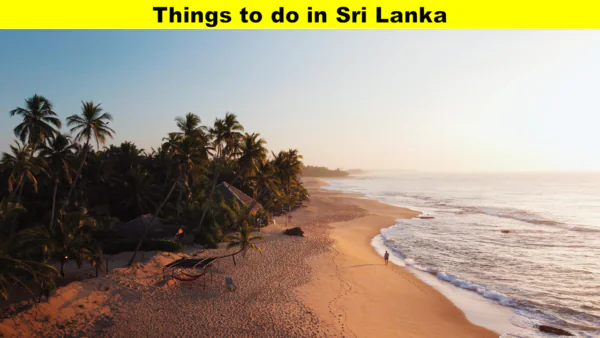
Things to do in Sri Lanka based on NeemTime research from most popular to just popular.
Sri Dalada Maligawa, Sri Lanka
Overview: Sri Dalada Maligawa, also known as the Temple of the Sacred Tooth Relic, is one of Sri Lanka’s most sacred Buddhist sites housing a revered relic of the Buddha.
History: The temple complex dates back to the 16th century when the Tooth Relic was brought to Kandy and became a symbol of royal authority.
Since When: It has been a major place of worship in Kandy since 1595.
Review: Visitors describe it as spiritually profound, architecturally impressive, and culturally significant.
When to Go: Early morning or evening during daily pooja ceremonies offers the most authentic experience.
How to Go: Located in central Kandy, accessible by car, bus, or train from Colombo and other major cities.
What to Do: Guests can observe religious rituals, explore the museum, and admire Kandyan architecture.
Free or Paid: Entry requires a paid ticket for visitors.
Diyatha Uyana, Sri Lanka
Overview: Diyatha Uyana is a lakeside urban park in Colombo offering walking paths, food stalls, and family-friendly recreational areas.
History: Developed as part of Colombo’s beautification project to transform marshland into a vibrant public space.
Since When: Opened to the public in 2012.
Review: Visitors enjoy its relaxed atmosphere, scenic lake views, and evening food markets.
When to Go: Evenings are ideal for cooler weather and lively street food experiences.
How to Go: Located near Battaramulla, accessible by car or bus from central Colombo.
What to Do: Guests can walk along the lake, enjoy local snacks, and relax with family.
Free or Paid: Entry is free.
Royal Botanic Gardens, Peradeniya, Sri Lanka
Overview: Royal Botanic Gardens in Peradeniya is Sri Lanka’s largest botanical garden, famous for its orchid collection and palm avenues.
History: Established during the British colonial era on former royal land, it became a center for botanical research and conservation.
Since When: Officially founded as a botanical garden in 1821.
Review: Visitors praise its vast landscapes, diverse plant species, and well-maintained lawns.
When to Go: Morning visits are best to avoid midday heat and enjoy leisurely exploration.
How to Go: Located near Kandy, accessible by car, bus, or tuk-tuk.
What to Do: Guests can stroll through orchid houses, bamboo groves, and scenic riverfront areas.
Free or Paid: Entry requires a paid ticket.
Sigiriya, Sri Lanka
Overview: Sigiriya is an ancient rock fortress rising dramatically above the plains, known for its frescoes and panoramic summit views.
History: Built in the 5th century by King Kashyapa as a royal palace and fortress complex.
Since When: Dating back to around 477 AD.
Review: Visitors consider it one of Sri Lanka’s most iconic landmarks, offering breathtaking views and rich history.
When to Go: Early morning is ideal to avoid heat and crowds during the climb.
How to Go: Accessible by car or bus from Dambulla or Kandy.
What to Do: Guests can climb the rock, view ancient frescoes, and explore landscaped water gardens.
Free or Paid: Entry requires a paid ticket.
Galle Dutch Fort, Sri Lanka
Overview: Galle Dutch Fort is a UNESCO-listed colonial fortress blending European architecture with South Asian traditions along Sri Lanka’s southern coast.
History: Originally built by the Portuguese in the 16th century and later extensively fortified by the Dutch in the 17th century.
Since When: Established in 1588 and expanded in 1649.
Review: Visitors admire its charming streets, ocean views, boutique shops, and preserved ramparts.
When to Go: Late afternoon is perfect for walking along the fort walls and watching the sunset.
How to Go: Located in Galle, accessible by train, bus, or car from Colombo.
What to Do: Guests can explore historic buildings, visit museums, shop, and dine in cafés.
Free or Paid: Entry to the fort area is free, though museums inside may charge fees.
Pettah Floating Market, Sri Lanka
Overview: The Pettah Floating Market is a lakeside marketplace in Colombo featuring wooden boardwalk shops selling handicrafts, clothing, and local goods.
History: Developed as part of an urban renewal project to modernize the Pettah area while preserving its traditional trading spirit.
Since When: Opened to the public in 2014.
Review: Visitors appreciate its scenic waterfront setting, relaxed shopping environment, and variety of local products.
When to Go: Late afternoon or early evening offers cooler weather and pleasant views over the water.
How to Go: Located in Pettah, Colombo, accessible by bus, train, or tuk-tuk from central Colombo.
What to Do: Guests can browse shops, enjoy snacks, and take photos along the wooden walkways.
Free or Paid: Entry is free, but purchases require payment.
Kelaniya Raja Maha Viharaya, Sri Lanka
Overview: Kelaniya Raja Maha Viharaya is a sacred Buddhist temple believed to commemorate the Buddha’s visit to Sri Lanka.
History: With origins tracing back over 2,000 years, the temple has been rebuilt and restored multiple times, notably during the Kandyan period.
Since When: Considered a place of worship since ancient times, traditionally dated to the 3rd century BCE.
Review: Visitors describe it as spiritually uplifting, adorned with beautiful murals and serene surroundings.
When to Go: Religious festivals such as Duruthu Perahera offer a vibrant cultural experience.
How to Go: Located near Colombo, accessible by car, bus, or train to Kelaniya.
What to Do: Guests can observe rituals, admire temple murals, and explore the temple grounds.
Free or Paid: Entry is free, though donations are welcomed.
Galle Face Green, Sri Lanka
Overview: Galle Face Green is a seaside urban park in Colombo offering expansive lawns and views of the Indian Ocean.
History: Established in 1859 by the British as a promenade and recreational space for the public.
Since When: Serving as a public gathering place since the mid-19th century.
Review: Visitors enjoy kite flying, street food vendors, and spectacular sunset views.
When to Go: Evenings are best for cool sea breezes and vibrant local activity.
How to Go: Located along Colombo’s coastline, easily reachable by car, bus, or tuk-tuk.
What to Do: Guests can stroll along the promenade, try local snacks, and watch the sunset.
Free or Paid: Entry is free.
Dehiwala Zoological Gardens, Sri Lanka
Overview: Dehiwala Zoological Gardens is Sri Lanka’s national zoo featuring diverse animal species and conservation programs.
History: Founded in 1936, it has expanded into a major zoological institution focused on wildlife education and preservation.
Since When: Open to visitors since 1936.
Review: Visitors appreciate its variety of animals, educational exhibits, and family-friendly environment.
When to Go: Morning visits are ideal to see animals when they are most active.
How to Go: Located in Dehiwala near Colombo, accessible by train, bus, or car.
What to Do: Guests can observe animal enclosures, attend feeding sessions, and explore educational displays.
Free or Paid: Entry requires a paid ticket.
Dambulla Cave Temple, Sri Lanka
Overview: Dambulla Cave Temple, also known as the Golden Temple of Dambulla, is a UNESCO-listed Buddhist site featuring cave shrines with ancient murals and statues.
History: Established in the 1st century BCE by King Valagamba, it has been expanded and decorated by successive rulers.
Since When: Functioning as a place of worship for over 2,000 years.
Review: Visitors praise its impressive cave paintings, serene hilltop setting, and historical importance.
When to Go: Early morning or late afternoon avoids midday heat and provides better lighting.
How to Go: Located in Dambulla, accessible by bus or car from Kandy or Colombo.
What to Do: Guests can explore cave shrines, admire Buddha statues, and enjoy panoramic views from the hilltop.
Free or Paid: Entry requires a paid ticket for foreign visitors.
Viharamahadevi Park, Sri Lanka
Overview: Viharamahadevi Park is Colombo’s oldest and largest public park, offering lush greenery, shaded pathways, and recreational spaces in the heart of the city.
History: Originally named Victoria Park during British rule, it was later renamed in honor of Queen Viharamahadevi, the mother of King Dutugemunu.
Since When: Established in the late 19th century and serving as a public park since 1865.
Review: Visitors appreciate its peaceful environment, children’s play areas, and well-maintained gardens.
When to Go: Early morning or late afternoon is ideal for pleasant weather and relaxed walks.
How to Go: Located near Colombo Town Hall, accessible by bus, taxi, or tuk-tuk from anywhere in Colombo.
What to Do: Guests can stroll through flower gardens, relax on benches, and enjoy family picnics.
Free or Paid: Entry is free.
Sri Dalada Maligawa (Temple of the Sacred Tooth Relic), Sri Lanka
Overview: The Temple of the Sacred Tooth Relic is one of Buddhism’s most venerated shrines, housing a sacred relic of the Buddha in Kandy.
History: Built within the royal palace complex in the 16th century, it became a symbol of sovereignty for Sri Lankan kings.
Since When: A revered place of worship in Kandy since 1595.
Review: Visitors describe it as spiritually powerful, culturally rich, and architecturally impressive.
When to Go: Visiting during morning or evening pooja ceremonies provides the most authentic experience.
How to Go: Located in central Kandy, accessible by train, bus, or car from Colombo.
What to Do: Guests can observe rituals, explore the museum, and admire traditional Kandyan design.
Free or Paid: Entry requires a paid ticket for tourists.
Sigiriya (Sigiriya Lion Rock), Sri Lanka
Overview: Sigiriya Lion Rock is an ancient rock fortress rising dramatically above the plains, known for its lion gateway, frescoes, and panoramic summit views.
History: Constructed in the 5th century by King Kashyapa as a royal citadel and defensive stronghold.
Since When: Dating back to around 477 AD.
Review: Visitors regard it as one of Sri Lanka’s most spectacular landmarks due to its history and breathtaking scenery.
When to Go: Early morning is best to avoid heat and crowds during the climb.
How to Go: Accessible by bus or car from Dambulla or Kandy.
What to Do: Guests can climb the rock, view ancient frescoes, and explore landscaped gardens below.
Free or Paid: Entry requires a paid ticket.
Colombo Lotus Tower, Sri Lanka
Overview: Colombo Lotus Tower is South Asia’s tallest self-supported structure, serving as a telecommunications tower and observation point.
History: Construction began in 2012 and was completed as part of a project to modernize Colombo’s skyline.
Since When: Officially opened to the public in 2019.
Review: Visitors enjoy panoramic city views, modern facilities, and the tower’s unique lotus-inspired design.
When to Go: Evening visits are popular for city lights and sunset views.
How to Go: Located in central Colombo, accessible by car, bus, or tuk-tuk.
What to Do: Guests can visit the observation deck, dine in restaurants, and explore exhibition areas.
Free or Paid: Entry to the observation deck requires a paid ticket.
Pidurangala Rock, Sri Lanka
Overview: Pidurangala Rock is a scenic rock formation near Sigiriya offering panoramic views of the surrounding countryside and Sigiriya itself.
History: The site has historical ties to a nearby monastery dating back to ancient times.
Since When: Recognized as a monastic and hiking site for centuries, with roots in early Sri Lankan history.
Review: Visitors praise it as a less crowded alternative to Sigiriya with equally stunning summit views.
When to Go: Sunrise or sunset is ideal for cooler temperatures and spectacular scenery.
How to Go: Located near Sigiriya, accessible by car or tuk-tuk from Dambulla.
What to Do: Guests can hike to the summit, explore the small temple at the base, and take photographs.
Free or Paid: Entry requires a small paid ticket.
Independence Memorial Hall (Independence Square), Sri Lanka
Overview: Independence Square, centered around the Independence Memorial Hall, is a national monument complex commemorating Sri Lanka’s independence from British rule.
History: Built to celebrate the country’s independence in 1948, the structure was designed in a style inspired by ancient Kandyan architecture.
Since When: Serving as a national landmark and public gathering space since 1953.
Review: Visitors appreciate its grand stone pillars, peaceful surroundings, and historical significance.
When to Go: Early morning or evening is ideal for comfortable weather and relaxed walks.
How to Go: Located in Colombo 7, easily accessible by car, bus, or tuk-tuk.
What to Do: Guests can explore the monument, visit the museum beneath the hall, and enjoy jogging or cycling around the premises.
Free or Paid: Entry to the grounds is free, while the museum may charge a fee.
Horton Plains National Park, Sri Lanka
Overview: Horton Plains National Park is a protected highland plateau known for its grasslands, cloud forests, and the dramatic viewpoint called World’s End.
History: Declared a wildlife sanctuary in 1969 and later upgraded to a national park to conserve its unique biodiversity.
Since When: Officially designated as a national park in 1988.
Review: Visitors praise its cool climate, scenic hiking trails, and rich wildlife including sambar deer.
When to Go: Early morning is best for clear views at World’s End before mist rolls in.
How to Go: Accessible by car from Nuwara Eliya or Ohiya via scenic mountain roads.
What to Do: Guests can hike the circular trail, visit Baker’s Falls, and enjoy panoramic viewpoints.
Free or Paid: Entry requires a paid ticket.
Victoria Park, Sri Lanka
Overview: Victoria Park in Nuwara Eliya is a beautifully landscaped public park known for its flower beds and cool-climate greenery.
History: Established during British colonial rule and named to commemorate Queen Victoria’s Diamond Jubilee.
Since When: Open to the public since 1897.
Review: Visitors enjoy its peaceful atmosphere, colorful seasonal blooms, and well-kept walking paths.
When to Go: Spring and early summer are ideal when flowers are in full bloom.
How to Go: Located in central Nuwara Eliya, easily reachable on foot or by car within town.
What to Do: Guests can stroll through gardens, relax on benches, and observe birdlife.
Free or Paid: Entry requires a small paid ticket.
Coconut Tree Hill, Sri Lanka
Overview: Coconut Tree Hill is a picturesque coastal viewpoint in Mirissa lined with tall coconut palms overlooking the Indian Ocean.
History: Naturally formed and later popularized through social media as a scenic photography spot.
Since When: Gained widespread popularity among tourists in the 2010s.
Review: Visitors love its dramatic ocean backdrop and serene sunset views.
When to Go: Sunset is the best time for stunning views and vibrant skies.
How to Go: Located near Mirissa Beach, accessible by walking or tuk-tuk from the town center.
What to Do: Guests can take photographs, relax, and enjoy panoramic sea views.
Free or Paid: Entry is generally free.
Heritance Kandalama, Sri Lanka
Overview: Heritance Kandalama is a luxury eco-resort built into a rocky hillside overlooking the Kandalama Lake and surrounding forests.
History: Designed by renowned architect Geoffrey Bawa, it opened as a pioneering example of sustainable hotel architecture.
Since When: Operating since 1994.
Review: Guests praise its breathtaking views, unique design, and harmony with nature.
When to Go: Year-round visits are suitable, though the dry season offers clearer lake views.
How to Go: Located near Dambulla, accessible by car from Colombo or Kandy.
What to Do: Visitors can enjoy spa treatments, nature walks, wildlife spotting, and lakeside relaxation.
Free or Paid: Access is generally limited to hotel guests or paying visitors.
Excel World Entertainment Park, Sri Lanka
Overview: Excel World Entertainment Park is an indoor amusement and entertainment complex in Colombo offering arcade games, bowling, bumper cars, and family attractions.
History: Developed as part of the Excel World complex to provide modern indoor recreation facilities in the capital city.
Since When: Operating as a popular entertainment venue since the early 2000s.
Review: Visitors enjoy its variety of games, convenient city location, and family-friendly atmosphere.
When to Go: Evenings and weekends are lively, though weekdays are quieter for shorter waiting times.
How to Go: Located in central Colombo, easily accessible by car, bus, or tuk-tuk.
What to Do: Guests can play arcade games, enjoy bowling, ride indoor attractions, and dine within the complex.
Free or Paid: Entry is free, but individual games and activities require payment.
Hakgala Botanical Garden, Sri Lanka
Overview: Hakgala Botanical Garden is a scenic high-altitude garden renowned for its roses, orchids, and cool-climate flora.
History: Established during British colonial rule primarily for cultivating cinchona plants used in quinine production.
Since When: Officially functioning as a botanical garden since 1861.
Review: Visitors appreciate its colorful flower beds, misty mountain backdrop, and tranquil setting.
When to Go: April to August is ideal when many flowers are in bloom.
How to Go: Located near Nuwara Eliya, accessible by car or bus from the town center.
What to Do: Guests can explore themed gardens, photograph seasonal flowers, and enjoy leisurely walks.
Free or Paid: Entry requires a paid ticket.
Udawalawe National Park, Sri Lanka
Overview: Udawalawe National Park is a wildlife reserve famous for its large population of Asian elephants and open grassland landscapes.
History: Established to provide a sanctuary for wildlife displaced by the construction of the Udawalawe Reservoir.
Since When: Declared a national park in 1972.
Review: Visitors highly recommend it for elephant sightings and rewarding safari experiences.
When to Go: Early morning or late afternoon safaris offer the best chances to see wildlife.
How to Go: Accessible by car from Colombo or Ella, often visited via organized jeep safaris.
What to Do: Guests can take guided jeep safaris, observe elephants, and photograph diverse bird species.
Free or Paid: Entry requires a paid ticket and safari vehicle fee.
Colombo National Museum, Sri Lanka
Overview: Colombo National Museum is the country’s largest museum, showcasing Sri Lanka’s cultural, historical, and archaeological heritage.
History: Established by British Governor Sir William Gregory to preserve and display national artifacts.
Since When: Open to the public since 1877.
Review: Visitors admire its extensive collections, including royal regalia and ancient sculptures.
When to Go: Morning visits allow ample time to explore the large galleries comfortably.
How to Go: Located near Viharamahadevi Park in Colombo, easily accessible by bus or taxi.
What to Do: Guests can view historical exhibits, ancient manuscripts, and cultural artifacts.
Free or Paid: Entry requires a paid ticket.
Seethawaka Wet Zone Botanical Gardens, Sri Lanka
Overview: Seethawaka Wet Zone Botanical Gardens is a conservation-focused garden dedicated to preserving wet zone flora in a lush natural setting.
History: Established to conserve threatened and endemic plant species of Sri Lanka’s wet zone forests.
Since When: Opened to the public in 2008.
Review: Visitors appreciate its peaceful environment, informative plant displays, and scenic mountain views.
When to Go: Morning or late afternoon visits are best to enjoy cooler temperatures.
How to Go: Located near Avissawella, accessible by car from Colombo.
What to Do: Guests can walk nature trails, study endemic plants, and relax amid forested surroundings.
Free or Paid: Entry requires a paid ticket.
Dambulla Cave Temple (Golden Temple of Dambulla), Sri Lanka
Overview: The Golden Temple of Dambulla is a UNESCO-listed cave temple complex renowned for its ancient Buddhist murals and over 150 Buddha statues carved within rock caves.
History: Established in the 1st century BCE by King Valagamba after he regained his throne, the caves were later expanded and adorned by successive rulers.
Since When: Serving as a continuous place of Buddhist worship for over 2,000 years.
Review: Visitors praise its well-preserved frescoes, spiritual ambiance, and panoramic hilltop surroundings.
When to Go: Early morning or late afternoon is ideal to avoid heat and enjoy peaceful exploration.
How to Go: Located in Dambulla, accessible by car or bus from Kandy or Colombo.
What to Do: Guests can explore the cave shrines, admire intricate paintings, and view the large golden Buddha statue at the entrance.
Free or Paid: Entry requires a paid ticket.
Water World Kelaniya, Sri Lanka
Overview: Water World Kelaniya is a family-friendly aquatic park featuring water slides, pools, and an aquarium showcasing freshwater fish species.
History: Developed as Sri Lanka’s first dedicated water park and aquarium complex to promote recreation and aquatic education.
Since When: Open to the public since 1999.
Review: Visitors enjoy its exciting slides, educational exhibits, and suitability for children and families.
When to Go: Weekdays are preferable for fewer crowds and shorter waiting times.
How to Go: Located in Kelaniya near Colombo, accessible by car, bus, or tuk-tuk.
What to Do: Guests can enjoy water rides, relax in pools, and explore the aquarium exhibits.
Free or Paid: Entry requires a paid ticket.
Yala National Park, Sri Lanka
Overview: Yala National Park is Sri Lanka’s most visited wildlife reserve, famous for its high density of leopards and diverse ecosystems.
History: Originally designated as a wildlife sanctuary under British rule, it was later established as a national park for conservation.
Since When: Officially declared a national park in 1938.
Review: Visitors highlight thrilling safari experiences, frequent wildlife sightings, and scenic coastal landscapes.
When to Go: Early morning or late afternoon safaris provide the best opportunities to see animals.
How to Go: Accessible by car from Colombo or Ella, typically via organized jeep safari tours.
What to Do: Guests can take guided safaris, observe leopards and elephants, and photograph diverse birdlife.
Free or Paid: Entry requires a paid ticket and safari vehicle fee.
Little Adam’s Peak (Little Adam’s Peak View Point), Sri Lanka
Overview: Little Adam’s Peak View Point is a popular hiking destination in Ella offering sweeping views of tea plantations and surrounding hills.
History: Named after the sacred Adam’s Peak due to its similar shape, it gradually became a favorite trekking spot for visitors.
Since When: Recognized as a tourist viewpoint for several decades with improved access in recent years.
Review: Visitors appreciate the relatively easy hike and breathtaking sunrise or sunset vistas.
When to Go: Sunrise or sunset provides the most dramatic scenery and cooler temperatures.
How to Go: Located near Ella town, accessible on foot or by tuk-tuk to the trailhead.
What to Do: Guests can hike to the summit, take photographs, and enjoy panoramic mountain views.
Free or Paid: Entry is generally free.
Bellanwila Park, Sri Lanka
Overview: Bellanwila Park is a peaceful lakeside park near Colombo known for its walking paths and natural wetland surroundings.
History: Developed as part of environmental conservation efforts to preserve the Bellanwila-Attidiya wetland ecosystem.
Since When: Opened to the public as a recreational park in the early 2000s.
Review: Visitors value its calm environment, birdwatching opportunities, and relaxing atmosphere.
When to Go: Early mornings or evenings are ideal for cooler weather and wildlife spotting.
How to Go: Located near Boralesgamuwa, accessible by car or bus from Colombo.
What to Do: Guests can walk along the lake, observe birds, and enjoy quiet relaxation.
Free or Paid: Entry is free.