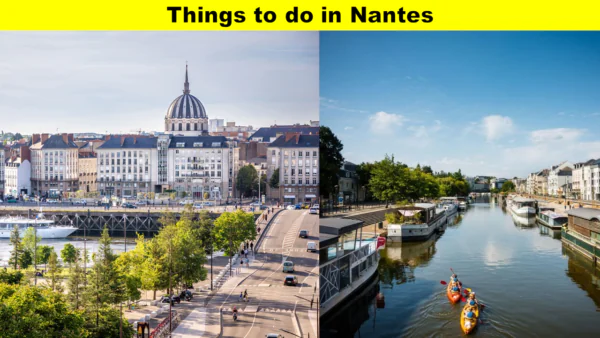
Things to do in Nantes based on NeemTime research from most popular to just popular.
Les Machines de l’Île, Nantes
Overview: Les Machines de l’Île is a unique artistic and mechanical attraction in Nantes featuring giant moving animal sculptures inspired by Jules Verne and Leonardo da Vinci.
History: Created as part of Nantes’ urban regeneration project on the former shipyard site, it blends industrial heritage with imaginative engineering.
Since When: The attraction opened to the public in 2007.
Review: Visitors describe it as imaginative, interactive, and family-friendly, with the Grand Elephant ride being a major highlight.
When to Go: Spring and summer are ideal for enjoying outdoor mechanical rides and exhibitions.
How to Go: Accessible by tram or bus from central Nantes to the Île de Nantes district.
What to Do: Guests can ride the mechanical elephant, explore the gallery of machines, and watch creative workshops in action.
Free or Paid: Entry to exhibitions and rides requires payment, while walking around the site is free.
Château des ducs de Bretagne, Nantes
Overview: Château des ducs de Bretagne is a historic castle in Nantes that houses the Nantes History Museum within its fortified walls.
History: Built in the 15th century as the residence of the Dukes of Brittany, it later became a royal fortress after Brittany joined France.
Since When: The castle dates back to 1466 and has functioned as a museum since 1924.
Review: Visitors appreciate its well-preserved ramparts, informative exhibits, and panoramic city views.
When to Go: Late morning or early afternoon provides ample time to explore both the interior and the ramparts.
How to Go: Located in central Nantes, easily accessible on foot or by tram.
What to Do: Guests can tour the museum, walk along the fortress walls, and explore the courtyard.
Free or Paid: Courtyard and ramparts are free, while museum entry requires payment.
Jardin des Plantes de Nantes, Nantes
Overview: The Botanical Garden of Nantes is a beautifully landscaped public garden showcasing diverse plant species, greenhouses, and artistic installations.
History: Established in the 18th century for scientific research and botanical study, it became a public garden of international significance.
Since When: Officially opened in 1806 and expanded over the following centuries.
Review: Visitors praise its peaceful atmosphere, vibrant seasonal displays, and family-friendly environment.
When to Go: Spring and summer are best when flowers are in full bloom.
How to Go: Located near Nantes train station, easily accessible on foot or by public transport.
What to Do: Guests can stroll through themed gardens, visit greenhouses, and relax by ornamental ponds.
Free or Paid: Entry is free.
Passage Pommeraye, Nantes
Overview: Passage Pommeraye is a 19th-century covered shopping arcade known for its elegant architecture and boutique stores.
History: Built between 1840 and 1843, it was designed as a luxurious commercial passage connecting different street levels.
Since When: The arcade has operated since 1843 and remains an architectural landmark.
Review: Visitors admire its ornate staircases, statues, and charming historic ambiance.
When to Go: Weekday mornings are ideal for a quieter shopping and photography experience.
How to Go: Located in central Nantes, accessible on foot or by tram.
What to Do: Guests can browse boutiques, take photographs of the architecture, and enjoy cafés nearby.
Free or Paid: Entry is free; purchases require payment.
Zénith Nantes Métropole, Nantes
Overview: Zénith Nantes Métropole is a major indoor concert and event arena hosting music performances, comedy shows, and large-scale events.
History: Built as part of France’s network of Zénith venues to provide high-capacity cultural spaces for regional audiences.
Since When: Opened in 2006 and has hosted national and international artists since then.
Review: Visitors appreciate its modern acoustics, spacious seating, and diverse event programming.
When to Go: Visit during scheduled concerts or events, typically in evenings.
How to Go: Accessible by tram and bus from central Nantes to Saint-Herblain.
What to Do: Guests can attend concerts, live shows, and cultural events.
Free or Paid: Entry requires a paid ticket for events.
Stade de la Beaujoire, Nantes
Overview: Stade de la Beaujoire is Nantes’ main football stadium, known for hosting major matches and international tournaments.
History: Built for the 1984 UEFA European Championship, it replaced the older Stade Marcel Saupin as the city’s primary venue.
Since When: The stadium officially opened in 1984.
Review: Visitors and fans appreciate its vibrant atmosphere during matches and its well-maintained facilities.
When to Go: Best visited during football season when matches and events are scheduled.
How to Go: Accessible by tram from central Nantes with a stop near the stadium.
What to Do: Guests can attend football matches, concerts, or take guided stadium tours when available.
Free or Paid: Entry requires a paid ticket for events.
Île de Versailles, Nantes
Overview: Île de Versailles is a tranquil Japanese-inspired garden island located on the Erdre River in Nantes.
History: Developed in the 1980s on a former industrial site, it was redesigned to reflect traditional Japanese landscaping.
Since When: Opened as a public garden in 1987.
Review: Visitors praise its peaceful atmosphere, wooden bridges, and beautifully maintained greenery.
When to Go: Spring and summer are ideal for enjoying lush landscapes and pleasant weather.
How to Go: Located near the city center, accessible on foot, by tram, or by bicycle.
What to Do: Guests can stroll through gardens, relax by the river, and visit the Maison de l’Erdre exhibition space.
Free or Paid: Entry is free.
Les Machines de l’Île, Nantes
Overview: Les Machines de l’Île is a creative attraction featuring giant mechanical creatures inspired by imagination and engineering artistry.
History: Built on the former shipyard site as part of Nantes’ cultural redevelopment project, blending industrial heritage with creativity.
Since When: Opened to visitors in 2007.
Review: Visitors describe it as innovative, interactive, and memorable for all age groups.
When to Go: Late spring to early autumn offers the best weather for outdoor mechanical rides.
How to Go: Accessible by tram to the Île de Nantes district.
What to Do: Guests can ride the Grand Elephant, explore exhibitions, and observe machine-building workshops.
Free or Paid: Paid tickets are required for rides and exhibitions, though the surrounding area is free to explore.
Musée d’arts de Nantes, Nantes
Overview: Musée d’arts de Nantes is a major fine arts museum showcasing works from the 13th century to contemporary art.
History: Established after the French Revolution and expanded with a modern extension in the 21st century.
Since When: Originally opened in 1801 and reopened after renovation in 2017.
Review: Visitors admire its diverse collections, modern layout, and impressive permanent exhibitions.
When to Go: Weekday mornings provide a quieter experience for art appreciation.
How to Go: Located near the Nantes train station, accessible by tram or on foot.
What to Do: Guests can explore permanent galleries, temporary exhibitions, and educational programs.
Free or Paid: Entry requires a paid ticket, though certain days may offer free access.
Espace zoologique de La Boissière-du-Doré, Nantes
Overview: Espace zoologique de La Boissière-du-Doré is a large wildlife park near Nantes featuring diverse animal species in spacious habitats.
History: Founded in 1984, it has grown into one of western France’s significant zoological parks.
Since When: Open to the public since 1984.
Review: Visitors appreciate the conservation efforts, animal variety, and family-friendly environment.
When to Go: Spring and summer offer the best conditions to see animals active outdoors.
How to Go: Located about 30 minutes from Nantes by car.
What to Do: Guests can observe wildlife, attend feeding sessions, and enjoy picnic areas.
Free or Paid: Entry requires a paid ticket.
Legendia Parc, Nantes
Overview: Legendia Parc is a themed animal and storytelling park near Nantes combining wildlife exhibits with fantasy-based live shows.
History: Established to blend zoological conservation with theatrical performances, it has grown into a family-oriented attraction.
Since When: The park opened to visitors in 2000.
Review: Visitors appreciate its immersive storytelling, well-kept animal enclosures, and engaging shows for children.
When to Go: Spring and summer are ideal for enjoying outdoor performances and animal encounters.
How to Go: Located about 45 minutes from Nantes by car, with parking available on site.
What to Do: Guests can watch themed shows, explore animal habitats, and participate in interactive activities.
Free or Paid: Entry requires a paid ticket.
Parc de Procé, Nantes
Overview: Parc de Procé is a large landscaped public park in Nantes known for its rolling lawns, fountains, and peaceful walking paths.
History: Developed in the 19th century around a former manor estate, it became one of Nantes’ favorite recreational spaces.
Since When: Open to the public since the late 1800s.
Review: Visitors enjoy its calm atmosphere, scenic views, and family-friendly picnic areas.
When to Go: Late spring and summer are best for pleasant weather and blooming greenery.
How to Go: Accessible by tram or bus from central Nantes.
What to Do: Guests can stroll, picnic, relax by fountains, or enjoy playground areas.
Free or Paid: Entry is free.
Le Jardin Extraordinaire, Nantes
Overview: Le Jardin Extraordinaire is a unique botanical garden built in a former quarry, featuring exotic plants and a dramatic waterfall.
History: Inspired by Jules Verne’s imaginative works, the garden was designed as part of Nantes’ cultural landscape transformation.
Since When: Opened to the public in 2019.
Review: Visitors admire its creative layout, lush vegetation, and impressive cliffside waterfall.
When to Go: Spring and early summer offer vibrant plant life and comfortable temperatures.
How to Go: Located in the Chantenay district, accessible by bus or car from central Nantes.
What to Do: Guests can explore themed plant areas, relax on terraces, and photograph the waterfall.
Free or Paid: Entry is free.
Cathédrale Saint-Pierre-et-Saint-Paul de Nantes, Nantes
Overview: Cathédrale Saint-Pierre-et-Saint-Paul de Nantes is a grand Gothic cathedral renowned for its white stone façade and impressive interior.
History: Construction began in 1434 and continued for centuries, reflecting evolving Gothic architectural styles.
Since When: The cathedral was completed in 1891 after more than 450 years of work.
Review: Visitors praise its soaring vaults, historical tombs, and serene spiritual ambiance.
When to Go: Morning visits provide quieter moments for reflection and photography.
How to Go: Located in central Nantes, easily reachable on foot or by tram.
What to Do: Guests can admire stained glass windows, explore chapels, and attend religious services.
Free or Paid: Entry is free.
Jardin des Plantes de Nantes, Nantes
Overview: Jardin des Plantes is a historic botanical garden featuring diverse plant collections, greenhouses, and artistic landscaping near Nantes station.
History: Created in the 18th century for botanical study, it evolved into one of France’s notable public gardens.
Since When: Officially opened in 1806.
Review: Visitors appreciate its tranquil environment, seasonal flower displays, and creative installations.
When to Go: Spring and summer showcase the garden at its most colorful and lively.
How to Go: Located beside Nantes train station, easily accessible by foot or tram.
What to Do: Guests can wander through themed gardens, visit greenhouses, and relax by ornamental ponds.
Free or Paid: Entry is free.
Parc du Grand Blottereau, Nantes
Overview: Parc du Grand Blottereau is Nantes’ largest public park, featuring themed gardens, exotic greenhouses, and expansive green spaces.
History: Developed in the early 20th century around a historic château estate, it became a major botanical and recreational area.
Since When: Open to the public since 1905.
Review: Visitors enjoy its peaceful walking trails, diverse plant collections, and family-friendly atmosphere.
When to Go: Spring and summer are ideal for seeing blooming flowers and enjoying outdoor activities.
How to Go: Accessible by tram and bus from central Nantes.
What to Do: Guests can explore themed gardens, visit greenhouses, picnic, and relax in open lawns.
Free or Paid: Entry is free.
John Doe Escape Game Nantes, Nantes
Overview: John Doe Escape Game Nantes is an immersive escape room experience offering themed puzzle adventures for groups.
History: Part of a French escape game franchise, it was created to provide interactive mystery-solving entertainment.
Since When: Operating in Nantes since the mid-2010s.
Review: Visitors praise its creative scenarios, challenging puzzles, and engaging team-based gameplay.
When to Go: Evenings and weekends are popular, so advance booking is recommended.
How to Go: Located in central Nantes, accessible by tram or on foot.
What to Do: Guests can participate in timed escape challenges and solve immersive mystery missions.
Free or Paid: Participation requires a paid booking.
Muséum d’Histoire Naturelle de Nantes, Nantes
Overview: The Natural History Museum of Nantes showcases zoological, geological, and scientific collections in an educational setting.
History: Founded in the early 19th century, it expanded through donations and scientific expeditions.
Since When: Open to the public since 1810.
Review: Visitors appreciate its informative exhibits, fossil displays, and family-friendly learning environment.
When to Go: Weekday mornings are ideal for a quieter visit.
How to Go: Located in central Nantes, easily accessible by tram or bus.
What to Do: Guests can explore animal specimens, mineral collections, and interactive exhibits.
Free or Paid: Entry requires a paid ticket, though some days may offer free access.
Escal’Atlantic, Nantes
Overview: Escal’Atlantic is a maritime museum experience recreating the atmosphere of historic ocean liners through immersive exhibits.
History: Created in Saint-Nazaire, a historic shipbuilding port near Nantes, it celebrates the region’s maritime heritage.
Since When: Opened in 2000.
Review: Visitors describe it as engaging and atmospheric, with realistic reconstructions of ship interiors.
When to Go: Spring and summer are popular seasons for combining it with other coastal attractions.
How to Go: Located about one hour from Nantes by car or train to Saint-Nazaire.
What to Do: Guests can walk through recreated cabins, dining rooms, and interactive maritime displays.
Free or Paid: Entry requires a paid ticket.
Parc des Naudières, Nantes
Overview: Parc des Naudières is a family amusement park near Nantes offering outdoor games, rides, and recreational activities.
History: Developed as a leisure park for families seeking affordable outdoor entertainment.
Since When: Operating since the late 20th century.
Review: Visitors appreciate its relaxed atmosphere, variety of activities, and suitability for young children.
When to Go: Late spring and summer provide the best weather for outdoor attractions.
How to Go: Located in Sautron, about 20 minutes from Nantes by car.
What to Do: Guests can enjoy mini-golf, inflatable games, water attractions, and picnic areas.
Free or Paid: Entry requires a paid ticket.
SENSAS Nantes, Nantes
Overview: SENSAS Nantes is an immersive sensory experience center where participants complete challenges using their five senses in total darkness or themed rooms.
History: Created as part of a French entertainment concept combining teamwork, sensory awareness, and charitable engagement.
Since When: Operating in Nantes since the late 2010s.
Review: Visitors describe it as unique, interactive, and ideal for groups seeking a fun and unusual activity.
When to Go: Evenings and weekends are popular, so booking in advance is recommended.
How to Go: Located in Nantes and accessible by tram or bus from the city center.
What to Do: Guests can participate in sensory challenges, team-based games, and immersive missions.
Free or Paid: Participation requires a paid booking.
Trampoline Park Nantes Atlantis, Nantes
Overview: Trampoline Park Nantes Atlantis is an indoor recreation venue offering trampoline zones, foam pits, and freestyle jumping areas.
History: Established as part of the growing indoor trampoline park trend for active entertainment.
Since When: Open since the mid-2010s.
Review: Visitors appreciate its energetic environment, safety measures, and suitability for both children and adults.
When to Go: Weekday afternoons are quieter, while weekends are lively and busier.
How to Go: Located in Saint-Herblain near the Atlantis shopping area, accessible by tram or car.
What to Do: Guests can enjoy open jumping sessions, dodgeball games, and fitness activities.
Free or Paid: Entry requires a paid ticket.
Parc de la Gaudinière, Nantes
Overview: Parc de la Gaudinière is a scenic public park in Nantes featuring wooded trails, open lawns, and a historic manor.
History: Developed around a 19th-century estate and later transformed into a municipal green space.
Since When: Open to the public since the 20th century.
Review: Visitors enjoy its peaceful ambiance, walking paths, and family-friendly playground areas.
When to Go: Spring and summer offer the most pleasant weather for outdoor relaxation.
How to Go: Accessible by tram and bus from central Nantes.
What to Do: Guests can walk, picnic, relax under trees, and enjoy recreational facilities.
Free or Paid: Entry is free.
PRISON ISLAND Nantes St Sébastien, Nantes
Overview: PRISON ISLAND Nantes St Sébastien is an indoor adventure game venue where teams complete physical and mental challenges in themed cells.
History: Inspired by Scandinavian challenge concepts, it was introduced to provide immersive group entertainment experiences.
Since When: Open since the late 2010s.
Review: Visitors praise its creative tasks, teamwork-focused design, and engaging competitive atmosphere.
When to Go: Evenings and weekends are busiest, so reservations are recommended.
How to Go: Located in Saint-Sébastien-sur-Loire, reachable by public transport or car from Nantes.
What to Do: Guests can attempt timed challenge rooms and compete for high scores as a team.
Free or Paid: Entry requires a paid booking.
Nantes Camping, Nantes
Overview: Nantes Camping is a well-equipped campsite offering pitches, cabins, and recreational facilities near the city center.
History: Developed to provide convenient outdoor accommodation options for visitors exploring Nantes and the Loire region.
Since When: Operating since the early 21st century.
Review: Visitors appreciate its clean facilities, peaceful setting, and proximity to city attractions.
When to Go: Late spring through early autumn is ideal for camping due to favorable weather.
How to Go: Located along the Erdre River, accessible by tram, bus, or car.
What to Do: Guests can camp, cycle nearby trails, relax by the river, and explore Nantes attractions.
Free or Paid: Accommodation requires payment.
Place Royale, Nantes
Overview: Place Royale is a central 18th-century square in Nantes known for its elegant architecture and ornamental fountain.
History: Designed in 1786 by architect Mathurin Crucy, the square symbolized Nantes’ commercial prosperity before being restored after World War II damage.
Since When: Established in the late 18th century and restored in the 20th century.
Review: Visitors appreciate its lively atmosphere, historic charm, and convenient location near shopping streets.
When to Go: Late afternoon or evening is ideal to enjoy the ambiance and illuminated fountain.
How to Go: Located in central Nantes, easily accessible by tram or on foot.
What to Do: Guests can relax by the fountain, explore nearby shops, and take photographs of the architecture.
Free or Paid: Entry is free.
Parc des Expositions de la Beaujoire, Nantes
Overview: Park La Beaujoire refers to the green and exhibition areas surrounding the Beaujoire district, including event spaces and landscaped gardens.
History: Developed alongside the stadium and exhibition center to host trade fairs, festivals, and public gatherings.
Since When: Active as an event and recreational area since the 1980s.
Review: Visitors enjoy its open spaces, seasonal events, and proximity to major sports venues.
When to Go: Visit during fairs, exhibitions, or on sunny days for outdoor leisure.
How to Go: Accessible by tram from central Nantes to the Beaujoire stop.
What to Do: Guests can attend exhibitions, stroll through gardens, or participate in public events.
Free or Paid: Outdoor park areas are free, while exhibitions may require paid tickets.
Carrousel of the Marine Worlds, Nantes
Overview: The Carrousel of the Marine Worlds is a three-level mechanical carousel inspired by sea creatures, located at Les Machines de l’Île.
History: Created as part of Nantes’ artistic redevelopment project, it celebrates maritime heritage and imaginative engineering.
Since When: Opened to the public in 2012.
Review: Visitors describe it as whimsical, artistic, and enjoyable for both children and adults.
When to Go: Spring and summer provide the best weather for enjoying the waterfront setting.
How to Go: Located on Île de Nantes, accessible by tram or bus from the city center.
What to Do: Guests can ride marine-themed mechanical creatures and explore the surrounding creative district.
Free or Paid: Riding the carousel requires a paid ticket.
Memorial to the Abolition of Slavery, Nantes
Overview: The Memorial to the Abolition of Slavery is a powerful riverside monument commemorating the abolition of the slave trade and honoring its victims.
History: Opened in 2012 to acknowledge Nantes’ historical role in the Atlantic slave trade and promote remembrance and reflection.
Since When: Inaugurated in 2012.
Review: Visitors find it moving, educational, and thoughtfully designed with engraved historical texts.
When to Go: Daytime visits allow for full exploration and reading of inscriptions along the Loire River.
How to Go: Located along the Loire riverbank, accessible on foot or by tram.
What to Do: Guests can walk the memorial pathway, read historical accounts, and reflect on its significance.
Free or Paid: Entry is free.
Nantes Boats, Nantes
Overview: Nantes Boats offers self-guided electric boat rentals allowing visitors to explore the Erdre River and surrounding waterways.
History: Created to provide eco-friendly recreational boating experiences in Nantes’ scenic river network.
Since When: Operating since the 2010s.
Review: Visitors appreciate the peaceful navigation experience and unique perspective of the city from the water.
When to Go: Late spring through early autumn offers the best boating weather.
How to Go: Located along the Erdre River near the city center, accessible by tram or on foot.
What to Do: Guests can rent electric boats, cruise along the river, and enjoy riverside views.
Free or Paid: Boat rentals require payment.