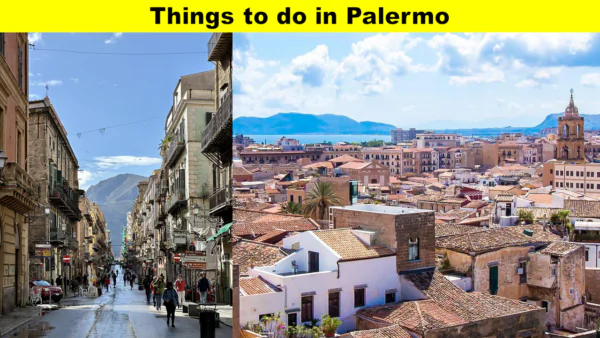
Things to do in Palermo based on NeemTime research from most popular to just popular.
Valley of the Temples, Palermo
Overview: The Valley of the Temples is a vast archaeological park showcasing some of the best-preserved ancient Greek temples in the Mediterranean, set amid scenic landscapes near Palermo.
History: The site dates back to the 5th century BCE and was part of the ancient Greek city of Akragas, reflecting its political and religious importance.
Since When: It has been recognized and visited as a historic site since the 18th century, with UNESCO World Heritage status granted in 1997.
Review: Visitors consistently praise the monumental ruins, informative pathways, and breathtaking views, especially at sunset.
When to Go: Spring and autumn are ideal for mild weather and fewer crowds while exploring the open-air site.
How to Go: Accessible by car, bus, or guided tour from Palermo and nearby Sicilian cities.
What to Do: Walk among the temples, visit the archaeological museum, take photos, and enjoy guided historical tours.
Free or Paid: Paid entry.
Palermo Cathedral, Palermo
Overview: Palermo Cathedral is a striking architectural landmark blending Norman, Gothic, Baroque, and Neoclassical styles in the heart of the city.
History: Originally built in 1185, the cathedral reflects centuries of religious, political, and cultural transformations in Sicily.
Since When: It has served as a major religious site since the late 12th century.
Review: Visitors admire its layered architecture, royal tombs, and panoramic rooftop views.
When to Go: Morning visits are best for fewer crowds and better lighting.
How to Go: Easily reachable on foot, by bus, or taxi within central Palermo.
What to Do: Explore the interior, visit the treasury and crypts, and climb to the rooftop terraces.
Free or Paid: Free entry to the main cathedral; paid access to additional areas.
Quattro Canti, Palermo
Overview: Quattro Canti is a famous Baroque square marking the historic crossroads of Palermo’s four ancient districts.
History: Built in the early 17th century, it symbolized the city’s urban and social organization under Spanish rule.
Since When: The square has existed as a public landmark since 1608.
Review: Visitors enjoy its symmetry, ornate façades, and lively surrounding atmosphere.
When to Go: Daytime is ideal for architectural appreciation and photography.
How to Go: Located in the city center and easily accessible by foot or public transport.
What to Do: Admire the architecture, take photos, and explore nearby streets and cafés.
Free or Paid: Free to visit.
Cattedrale di Monreale, Palermo
Overview: The Cattedrale di Monreale is a magnificent Norman cathedral renowned for its extensive golden mosaics and hilltop views.
History: Commissioned in the 12th century by King William II, it represents the height of Norman-Byzantine art in Sicily.
Since When: Open to worshippers and visitors since 1174.
Review: Visitors are amazed by the intricate mosaics and serene spiritual atmosphere.
When to Go: Morning visits are best to avoid crowds and enjoy peaceful exploration.
How to Go: Reachable by bus, car, or taxi from central Palermo.
What to Do: View the mosaics, explore the cloister, and enjoy panoramic views of Palermo.
Free or Paid: Free cathedral entry; paid access to the cloister and museum.
Palazzo dei Normanni, Palermo
Overview: Palazzo dei Normanni is a historic royal palace and one of the oldest royal residences in Europe, now housing Sicily’s regional parliament.
History: Originally built in the 9th century and expanded under Norman rule, it reflects layers of Islamic, Norman, and Baroque influence.
Since When: It has been continuously used since the Middle Ages, with public access established in modern times.
Review: Visitors highlight the stunning Palatine Chapel, mosaics, and rich historical significance.
When to Go: Weekday mornings are ideal for quieter visits and full access.
How to Go: Easily accessible by foot, bus, or taxi within Palermo’s historic center.
What to Do: Visit the Palatine Chapel, explore royal apartments, and learn about Sicilian history.
Free or Paid: Paid entry.
Catacombe dei Cappuccini di Palermo, Palermo
Overview: The Catacombe dei Cappuccini di Palermo is a unique underground burial site famous for its preserved mummies displayed along atmospheric corridors.
History: Created by Capuchin monks, the catacombs gradually expanded as Palermo’s elites requested burial there.
Since When: The first burials date back to 1599.
Review: Visitors find it fascinating and eerie, often describing it as one of Palermo’s most unusual attractions.
When to Go: Late morning or early afternoon is ideal for comfortable visits and better lighting.
How to Go: Reachable by city bus, taxi, or a short drive from Palermo’s historic center.
What to Do: Walk through the corridors, observe the mummies, and learn about historical burial customs.
Free or Paid: Paid entry.
Royal Palace and Palatine Chapel, Palermo
Overview: The Royal Palace and Palatine Chapel is a historic complex showcasing breathtaking Norman-Byzantine architecture and golden mosaics.
History: Built on earlier structures, the palace flourished under Norman kings as a symbol of royal power and cultural fusion.
Since When: The Palatine Chapel was completed in 1140.
Review: Visitors consistently praise the chapel’s mosaics and the palace’s historical depth.
When to Go: Early mornings on weekdays offer a quieter and more immersive experience.
How to Go: Easily accessible by foot, bus, or taxi within central Palermo.
What to Do: Admire the mosaics, explore royal halls, and learn about medieval Sicilian history.
Free or Paid: Paid entry.
Foro Italico, Palermo
Overview: Foro Italico is a scenic seaside promenade offering open green spaces and panoramic views of the Mediterranean.
History: Originally developed in the 16th century, it was redesigned in modern times as a public leisure area.
Since When: It has served as a public waterfront space for centuries.
Review: Visitors enjoy its relaxed atmosphere, sea breezes, and sunset views.
When to Go: Late afternoon or sunset is best for cooler temperatures and views.
How to Go: Located near Palermo’s old town and reachable by foot, bike, or public transport.
What to Do: Walk, relax on the grass, take photos, or enjoy nearby cafés.
Free or Paid: Free.
Port of Palermo, Palermo
Overview: The Port of Palermo is a major Mediterranean harbor serving cruise ships, ferries, and commercial vessels.
History: The port has operated since ancient times due to Palermo’s strategic coastal location.
Since When: It has functioned as a port for over 2,500 years.
Review: Travelers appreciate its efficiency and proximity to the city center.
When to Go: Morning arrivals are ideal for smoother connections and city exploration.
How to Go: Easily accessible by taxi, bus, or on foot from central Palermo.
What to Do: Board ferries or cruises, stroll nearby areas, or start city sightseeing.
Free or Paid: Free to access; transport services are paid.
Orto Botanico di Palermo, Palermo
Overview: Orto Botanico di Palermo is a historic botanical garden featuring diverse plant species from around the world.
History: Established by the University of Palermo, it played a key role in botanical research and acclimatization.
Since When: Founded in 1789.
Review: Visitors praise its peaceful environment, rare plants, and educational value.
When to Go: Spring is ideal for blooming plants and pleasant weather.
How to Go: Reachable by bus, taxi, or a short walk from Palermo’s city center.
What to Do: Stroll the gardens, photograph plants, and learn about tropical and Mediterranean flora.
Free or Paid: Paid entry.
Cattedrale di Palermo, Palermo
Overview: Cattedrale di Palermo is a monumental cathedral showcasing a rich blend of Norman, Gothic, Baroque, and Neoclassical architectural styles.
History: Originally built on earlier religious structures, the cathedral evolved through centuries of reconstructions reflecting Palermo’s complex history.
Since When: It was consecrated in 1185.
Review: Visitors admire its grand exterior, royal tombs, and panoramic rooftop views.
When to Go: Early morning or late afternoon is best to avoid crowds and heat.
How to Go: Located in the historic center and easily reachable on foot, by bus, or taxi.
What to Do: Explore the interior, visit royal tombs, and climb to the terraces for city views.
Free or Paid: Free entry to the cathedral; paid for terraces and treasury.
Fontana Pretoria, Palermo
Overview: Fontana Pretoria is an ornate Renaissance fountain famous for its intricate marble statues in the heart of Palermo.
History: Originally built in Florence, it was relocated to Palermo in the 16th century.
Since When: Installed in Palermo in 1574.
Review: Visitors find it striking and photogenic, often calling it one of the city’s most beautiful fountains.
When to Go: Morning or evening offers softer light and fewer crowds.
How to Go: Situated in Piazza Pretoria and accessible by foot or public transport.
What to Do: Admire the sculptures, take photos, and explore the surrounding historic squares.
Free or Paid: Free.
Norman Palace, Palermo
Overview: The Norman Palace is a historic royal residence and one of Europe’s oldest surviving palaces.
History: Built on earlier Phoenician and Arab structures, it flourished under Norman rule as a seat of power.
Since When: It dates back to the 9th century, with major Norman additions in the 11th century.
Review: Visitors praise its historical importance and the stunning Palatine Chapel.
When to Go: Weekday mornings are ideal for a quieter visit.
How to Go: Located near Palermo Cathedral and reachable on foot or by bus.
What to Do: Tour the palace rooms, admire mosaics, and visit the Palatine Chapel.
Free or Paid: Paid entry.
Parco Piersanti Mattarella (Giardino Inglese), Palermo
Overview: Parco Piersanti Mattarella, also known as Giardino Inglese, is a peaceful urban park filled with palm trees and shaded paths.
History: Designed in the 19th century, it reflects English-style landscape gardening trends.
Since When: Opened in 1851.
Review: Locals and tourists enjoy its calm atmosphere and green escape from the city.
When to Go: Late afternoon or early evening is best for pleasant temperatures.
How to Go: Easily accessible by bus or taxi from central Palermo.
What to Do: Walk, relax, people-watch, or enjoy nearby cafés.
Free or Paid: Free.
Zisa Palace, Palermo
Overview: Zisa Palace is a striking example of Arab-Norman architecture, originally built as a summer residence.
History: Constructed by Norman kings, it reflects strong Islamic artistic and engineering influences.
Since When: Built in the 12th century.
Review: Visitors appreciate its unique design, cooling system, and historical exhibitions.
When to Go: Morning visits are ideal to explore comfortably and avoid heat.
How to Go: Reachable by bus or taxi from Palermo’s city center.
What to Do: Explore palace interiors, learn about Arab-Norman culture, and visit the gardens.
Free or Paid: Paid entry.
Giardino Garibaldi, Palermo
Overview: Giardino Garibaldi is a small historic garden in central Palermo, famous for its giant ficus trees and relaxing atmosphere.
History: The garden was created during the 19th century as part of Palermo’s urban development and beautification projects.
Since When: Opened in 1861.
Review: Visitors enjoy its shade, monumental trees, and peaceful break from busy city streets.
When to Go: Early morning or late afternoon is ideal for cooler temperatures and fewer crowds.
How to Go: Located in Piazza Marina and easily reachable on foot, by bus, or taxi.
What to Do: Stroll among ancient ficus trees, relax on benches, and take photos.
Free or Paid: Free.
Church of Saint Mary “dell’Ammiraglio” (La Martorana), Palermo
Overview: The Church of Saint Mary dell’Ammiraglio, also known as La Martorana, is renowned for its dazzling Byzantine mosaics.
History: Founded by Admiral George of Antioch, it reflects strong Byzantine and Norman influences.
Since When: Built in 1143.
Review: Visitors are impressed by the vibrant gold mosaics and artistic harmony.
When to Go: Mid-morning is best to enjoy natural light illuminating the mosaics.
How to Go: Situated near Piazza Bellini and accessible on foot or public transport.
What to Do: Admire mosaics, study medieval art, and explore nearby historic churches.
Free or Paid: Paid entry.
Church of Jesus of Casa Professa, Palermo
Overview: The Church of Jesus, also known as Casa Professa, is a Baroque masterpiece celebrated for its lavish interior decoration.
History: Built by the Jesuits, it showcases intricate marble inlays and stucco work.
Since When: Completed in the late 17th century.
Review: Visitors often describe it as breathtaking due to its richly ornamented interior.
When to Go: Late morning or early afternoon allows full appreciation of interior details.
How to Go: Located in the historic center and reachable by foot or bus.
What to Do: Explore the nave, admire Baroque artistry, and attend a quiet moment of reflection.
Free or Paid: Free.
Riserva Naturale di Capo Gallo, Palermo
Overview: Riserva Naturale di Capo Gallo is a protected coastal nature reserve offering rugged cliffs, trails, and sea views.
History: Established to preserve the area’s unique ecosystems and landscapes.
Since When: Designated as a nature reserve in 2001.
Review: Nature lovers praise its wild beauty, hiking paths, and panoramic viewpoints.
When to Go: Spring and autumn are best for hiking and mild weather.
How to Go: Reachable by car or bus from Palermo, followed by walking trails.
What to Do: Hike, swim in secluded coves, and enjoy birdwatching.
Free or Paid: Free.
Catacombe dei Cappuccini, Palermo
Overview: Catacombe dei Cappuccini is a unique underground cemetery displaying mummified remains of Palermo’s past residents.
History: Originally a burial site for Capuchin monks, it later included nobles and citizens.
Since When: In use since the late 16th century.
Review: Visitors find it eerie yet fascinating, offering a powerful glimpse into historical burial customs.
When to Go: Morning visits are best for a quieter and more contemplative experience.
How to Go: Accessible by bus or taxi from central Palermo.
What to Do: Walk through the corridors, learn about preservation techniques, and observe historical attire.
Free or Paid: Paid entry.
Teatro Massimo, Palermo
Overview: Teatro Massimo is Italy’s largest opera house, celebrated for its grand neoclassical architecture and exceptional acoustics.
History: Built during Palermo’s cultural golden age, it symbolized the city’s artistic ambition and European prestige.
Since When: Officially inaugurated in 1897.
Review: Visitors consistently praise its majestic interiors, guided tours, and world-class performances.
When to Go: Evening visits for performances or late morning for guided tours are ideal.
How to Go: Located in central Palermo and easily reachable on foot, by bus, or taxi.
What to Do: Take a guided tour, attend an opera or concert, and admire the architecture.
Free or Paid: Paid entry.
Regional Archeological Museum Antonio Salinas, Palermo
Overview: The Regional Archeological Museum Antonio Salinas houses one of Italy’s richest collections of ancient Greek and Roman artifacts.
History: Established to preserve Sicily’s archaeological heritage, it reflects centuries of Mediterranean civilizations.
Since When: Opened to the public in 1814.
Review: Visitors appreciate its well-curated exhibits, historical depth, and educational value.
When to Go: Mid-morning is best for a relaxed visit with fewer crowds.
How to Go: Situated near Teatro Massimo and accessible by foot or public transport.
What to Do: Explore ancient sculptures, mosaics, and artifacts from across Sicily.
Free or Paid: Paid entry.
eXcape Palermo – Escape Room (Via d’Amelio), Palermo
Overview: eXcape Palermo is a popular escape room venue offering immersive puzzle-solving experiences for groups.
History: Created as part of Palermo’s modern entertainment scene, it introduced interactive gaming to the city.
Since When: Operating since the late 2010s.
Review: Visitors rate it highly for creative themes, challenging puzzles, and friendly staff.
When to Go: Late afternoon or evening is ideal for group entertainment.
How to Go: Reachable by car, taxi, or local bus within Palermo.
What to Do: Solve themed escape room challenges and enjoy team-based problem solving.
Free or Paid: Paid entry.
Bioparco di Sicilia, Palermo
Overview: Bioparco di Sicilia is an open-air park featuring dinosaur replicas, animal exhibits, and family-friendly attractions.
History: Developed to combine education and recreation, focusing on prehistoric life and biodiversity.
Since When: Opened in the early 2000s.
Review: Families enjoy its spacious layout, educational displays, and outdoor activities for children.
When to Go: Spring and autumn are best for pleasant weather and outdoor exploration.
How to Go: Accessible by car from Palermo, with parking available on-site.
What to Do: Walk through themed zones, view dinosaur models, and enjoy picnic areas.
Free or Paid: Paid entry.
Spiaggia di Mondello, Palermo
Overview: Spiaggia di Mondello is a famous sandy beach known for its turquoise waters and lively seaside atmosphere.
History: Once a fishing village, Mondello developed into Palermo’s main beach resort during the early 20th century.
Since When: Popular as a resort destination since the early 1900s.
Review: Visitors love its clear water, scenic setting, and vibrant beach culture.
When to Go: Late spring to early autumn is ideal, especially June and September.
How to Go: Easily reached by bus, taxi, or car from central Palermo.
What to Do: Swim, sunbathe, enjoy water sports, and dine at seaside restaurants.
Free or Paid: Both free public areas and paid lido sections are available.
La Galleria, Palermo
Overview: La Galleria is a modern shopping and leisure space in Palermo offering boutiques, dining options, and social venues.
History: Developed as part of Palermo’s contemporary urban commercial expansion.
Since When: Opened in the early 21st century.
Review: Visitors appreciate its clean layout, relaxed atmosphere, and convenient city location.
When to Go: Late afternoon to evening is ideal for shopping and dining.
How to Go: Easily accessible by bus, taxi, or car within Palermo.
What to Do: Shop, dine, and relax in cafés or common areas.
Free or Paid: Free entry (shopping and dining are paid).
Villa Giulia, Palermo
Overview: Villa Giulia is a historic public garden featuring neoclassical design, fountains, and peaceful green spaces.
History: Commissioned as Palermo’s first public garden during the Enlightenment period.
Since When: Opened in 1778.
Review: Visitors enjoy its symmetry, sculptures, and calm atmosphere away from traffic.
When to Go: Morning or late afternoon offers pleasant light and cooler temperatures.
How to Go: Located near the Botanical Garden and reachable on foot or by bus.
What to Do: Stroll along paths, relax on benches, and admire fountains.
Free or Paid: Free.
Santa Maria dell’Ammiraglio (La Martorana), Palermo
Overview: Santa Maria dell’Ammiraglio, known as La Martorana, is a renowned church celebrated for its exquisite Byzantine mosaics.
History: Founded by George of Antioch under Norman rule, blending Byzantine, Latin, and Arab influences.
Since When: Built in 1143.
Review: Visitors are consistently impressed by the luminous gold mosaics and artistic harmony.
When to Go: Mid-morning is best to see mosaics illuminated by natural light.
How to Go: Located near Piazza Bellini and accessible by foot or public transport.
What to Do: Admire mosaics, explore medieval art, and visit neighboring historic churches.
Free or Paid: Paid entry.
Palazzo Abatellis, Palermo
Overview: Palazzo Abatellis is a Gothic-Catalan palace housing the Regional Gallery of Sicily with notable medieval artworks.
History: Built in the 15th century and later converted into a museum after wartime damage.
Since When: Functioning as a museum since 1954.
Review: Visitors praise its refined curation and masterpieces like the “Triumph of Death” fresco.
When to Go: Late morning or early afternoon is ideal for an unhurried visit.
How to Go: Situated in the Kalsa district and reachable on foot or by bus.
What to Do: View medieval and Renaissance art and explore the historic palace interiors.
Free or Paid: Paid entry.
Fontana della Vergogna, Palermo
Overview: Fontana della Vergogna is a famous Renaissance fountain noted for its striking nude statues.
History: Originally created in Florence, it was later transferred and assembled in Palermo.
Since When: Installed in Palermo in 1574.
Review: Visitors find it visually impressive and historically intriguing despite its controversial nickname.
When to Go: Early morning or evening is best to avoid crowds.
How to Go: Located in Piazza Pretoria and easily reached on foot from the historic center.
What to Do: Photograph the fountain, observe sculptural details, and explore nearby landmarks.
Free or Paid: Free.