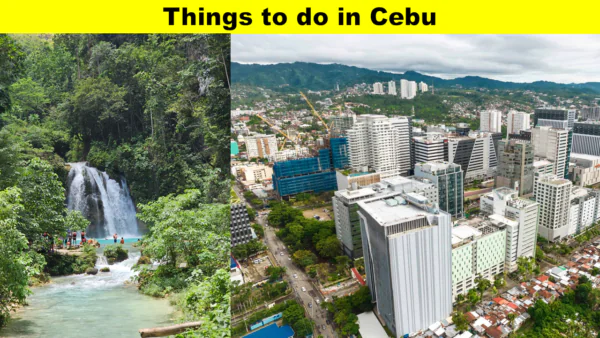
Things to do in Cebu based on NeemTime research from most popular to just popular.
Ayala Center Cebu, Cebu
Overview: Ayala Center Cebu is a premier open-air lifestyle mall combining upscale shopping, dining, entertainment, and green spaces in the heart of Cebu City.
History: Developed by Ayala Land, it played a major role in transforming Cebu’s business and leisure landscape.
Since When: Opened in 1994.
Review: Visitors praise its clean layout, wide dining choices, and relaxed yet modern atmosphere.
When to Go: Late afternoons and evenings are best to enjoy shopping and outdoor dining.
How to Go: Easily accessible by taxi, ride-hailing apps, or jeepney from anywhere in Cebu City.
What to Do: Shop, dine, watch movies, attend events, and relax in the landscaped gardens.
Free or Paid: Free entry; purchases are paid.
SM City Cebu, Cebu
Overview: SM City Cebu is one of the largest shopping malls in Cebu, offering extensive retail stores, restaurants, cinemas, and family entertainment.
History: Built by SM Prime Holdings as part of its nationwide mall expansion.
Since When: Opened in 1993.
Review: Shoppers appreciate its wide variety of stores, accessibility, and affordability.
When to Go: Weekday mornings are ideal to avoid crowds.
How to Go: Accessible by jeepney, taxi, or ride-hailing services from Cebu City and nearby areas.
What to Do: Shop, eat, watch movies, and enjoy family-friendly activities.
Free or Paid: Free entry; purchases are paid.
SM Seaside City Cebu, Cebu
Overview: SM Seaside City Cebu is a massive seaside shopping complex known for its modern architecture, entertainment zones, and ocean views.
History: Developed as one of SM’s flagship lifestyle destinations in the Visayas.
Since When: Opened in 2015.
Review: Visitors love its spacious design, dining variety, and scenic seaside location.
When to Go: Late afternoon to evening for cooler weather and sunset views.
How to Go: Reachable by car, taxi, or mall shuttle services from Cebu City.
What to Do: Shop, dine, enjoy Sky Park views, ice skating, and entertainment venues.
Free or Paid: Free entry; purchases are paid.
Magellan’s Cross, Cebu
Overview: Magellan’s Cross is a historic landmark housing a wooden cross planted by Portuguese explorers symbolizing the arrival of Christianity in the Philippines.
History: Erected by Ferdinand Magellan’s expedition during their arrival in Cebu.
Since When: Established in 1521.
Review: Visitors find it culturally significant and a must-see for understanding Cebu’s colonial history.
When to Go: Early morning to avoid crowds and heat.
How to Go: Located in downtown Cebu, accessible by taxi, jeepney, or on foot from nearby landmarks.
What to Do: Visit the shrine, learn local history, and take photos.
Free or Paid: Free.
Cebu IT Park, Cebu
Overview: Cebu IT Park is a modern business and lifestyle hub known for BPO offices, restaurants, nightlife, and green open spaces.
History: Developed on a former military base as part of Cebu’s IT and economic expansion.
Since When: Established in the early 2000s.
Review: Visitors enjoy its vibrant nightlife, food options, and safe, walkable environment.
When to Go: Evenings for dining and nightlife; daytime for business activities.
How to Go: Accessible by taxi, ride-hailing apps, or jeepney from central Cebu.
What to Do: Dine, relax, work remotely, attend events, and enjoy nightlife.
Free or Paid: Free entry; expenses vary.
Temple of Leah, Cebu
Overview: Temple of Leah is a grand Greco-Roman–style temple in the Cebu highlands built as a symbol of enduring love and offering panoramic city views.
History: The temple was commissioned by a local businessman in memory of his late wife, inspired by classical European architecture.
Since When: Opened to the public in 2012.
Review: Visitors admire its impressive architecture, romantic story, and scenic photo opportunities despite its relatively small size.
When to Go: Late afternoon is ideal for cooler weather and sunset views.
How to Go: Reachable by taxi, private car, or motorcycle from Cebu City, usually via Busay Road.
What to Do: Explore the temple grounds, take photos, and enjoy panoramic views of Cebu.
Free or Paid: Paid entry.
Basilica Minore del Sto. Niño de Cebu, Cebu
Overview: Basilica Minore del Sto. Niño is the oldest Roman Catholic church in the Philippines and a major religious and cultural landmark in Cebu.
History: Built on the site where the image of the Santo Niño was found, marking the beginning of Christianity in the country.
Since When: Established in 1565.
Review: Pilgrims and tourists praise its spiritual atmosphere, historical importance, and vibrant devotion.
When to Go: Early morning for quiet prayer or January during the Sinulog Festival for cultural immersion.
How to Go: Located in downtown Cebu and accessible by taxi, jeepney, or on foot from nearby attractions.
What to Do: Attend Mass, pray, visit the museum, and observe local religious practices.
Free or Paid: Free.
Fort San Pedro, Cebu
Overview: Fort San Pedro is a small triangular Spanish fort that served as a military defense structure during the colonial era.
History: Built by Spanish conquistadors as a stronghold against foreign invasions and local resistance.
Since When: Completed in 1738.
Review: Visitors appreciate its preserved walls, museum exhibits, and peaceful courtyard.
When to Go: Morning or late afternoon to avoid heat.
How to Go: Easily reachable by taxi or jeepney from downtown Cebu.
What to Do: Tour the fort, visit the museum, and take photos.
Free or Paid: Paid entry.
Carbon Market, Cebu
Overview: Carbon Market is Cebu’s oldest and largest public market, offering fresh produce, local food, and everyday goods.
History: Established during the Spanish colonial period as a central trading hub.
Since When: Operating since the late 19th century.
Review: Visitors find it lively and authentic, though busy and best suited for adventurous travelers.
When to Go: Early morning for the freshest goods and cooler temperatures.
How to Go: Accessible by jeepney, taxi, or tricycle from Cebu City.
What to Do: Shop for local produce, try street food, and experience local daily life.
Free or Paid: Free entry; purchases are paid.
Jpark Island Resort and Waterpark, Cebu, Cebu
Overview: Jpark Island Resort and Waterpark is a luxury beachfront resort in Mactan featuring pools, water slides, dining, and family-friendly attractions.
History: Developed to position Cebu as a premier leisure and resort destination in the Visayas.
Since When: Opened in 2014.
Review: Guests highly rate its water park facilities, service quality, and family-oriented amenities.
When to Go: Dry season from December to May is ideal for beach and pool activities.
How to Go: Accessible by car or resort transfer from Mactan-Cebu International Airport.
What to Do: Swim, enjoy water slides, relax on the beach, dine, and join resort activities.
Free or Paid: Paid.
Ayala Terraces, Cebu
Overview: Ayala Terraces is a neighborhood lifestyle mall in Cebu offering casual dining, shopping, and leisure spaces in a relaxed open-air setting.
History: Developed by Ayala Land to serve nearby residential communities with convenient retail and dining options.
Since When: Opened in the late 2010s.
Review: Visitors appreciate its laid-back atmosphere, accessibility, and variety of cafés and restaurants.
When to Go: Late afternoons and evenings are ideal for dining and socializing.
How to Go: Easily accessible by taxi, ride-hailing apps, or private car from central Cebu.
What to Do: Dine, shop for essentials, relax, and meet friends.
Free or Paid: Free entry; purchases are paid.
Taboan Public Market, Cebu
Overview: Taboan Public Market is a bustling local market in Cebu famous for dried fish, seafood, and local delicacies.
History: Established as a traditional trading area catering to fishermen and local merchants.
Since When: Operating since the mid-20th century.
Review: Visitors enjoy the authentic local vibe and affordable dried seafood, though the smell can be strong.
When to Go: Early morning for fresher products and fewer crowds.
How to Go: Reachable by taxi, jeepney, or tricycle from downtown Cebu.
What to Do: Buy dried fish, local snacks, and souvenirs.
Free or Paid: Free entry; purchases are paid.
Kawasan Falls, Cebu
Overview: Kawasan Falls is a stunning multi-tiered waterfall system in southern Cebu known for its turquoise waters and lush jungle surroundings.
History: Long valued by locals as a natural retreat and later developed for eco-tourism.
Since When: Open to visitors for decades, gaining popularity in the 2000s.
Review: Visitors rave about its crystal-clear water, canyoneering experience, and scenic beauty.
When to Go: Early morning on weekdays to avoid crowds.
How to Go: Accessible by bus or private car from Cebu City to Badian, followed by a short walk or guided tour.
What to Do: Swim, take photos, and join canyoneering adventures.
Free or Paid: Paid entry.
10000 Roses Cafe & More, Cebu
Overview: 10000 Roses Cafe & More is a popular seaside café attraction featuring LED-lit artificial roses and scenic views.
History: Created as a modern leisure spot inspired by similar attractions abroad.
Since When: Opened in 2019.
Review: Visitors enjoy the Instagram-worthy setup, especially at night, though food reviews are mixed.
When to Go: Evening to night for the illuminated rose display.
How to Go: Reachable by taxi or private car to Cordova, Mactan Island.
What to Do: Take photos, enjoy drinks, and relax by the sea.
Free or Paid: Paid entry.
TOPS Cebu, Cebu
Overview: TOPS Cebu is a popular mountain viewpoint offering panoramic views of Cebu City and surrounding islands.
History: Originally developed as a simple viewing deck and later enhanced for tourism.
Since When: Open since the late 20th century.
Review: Visitors love the cool climate, scenic views, and sunset experience.
When to Go: Late afternoon to evening for sunset and city lights.
How to Go: Accessible by taxi, private car, or motorcycle via Busay Road.
What to Do: Sightseeing, photography, dining at nearby stalls, and relaxing.
Free or Paid: Paid entry.
Robinsons Galleria Cebu, Cebu
Overview: Robinsons Galleria Cebu is a modern urban mall offering shopping, dining, cinemas, and lifestyle services in a convenient central location.
History: Developed by Robinsons Land Corporation as part of its expansion into key provincial cities.
Since When: Opened in 2018.
Review: Visitors like its spacious interiors, easy navigation, and less crowded feel compared to older malls.
When to Go: Weekday afternoons or evenings for a relaxed shopping experience.
How to Go: Easily accessible by taxi, ride-hailing apps, and jeepneys from Cebu City.
What to Do: Shop, dine, watch movies, and attend mall events.
Free or Paid: Free entry; purchases are paid.
Cebu Ocean Park, Cebu
Overview: Cebu Ocean Park is the largest ocean-themed park in the Visayas featuring marine life exhibits, underwater tunnels, and interactive attractions.
History: Established to boost marine education and tourism in Cebu.
Since When: Opened in 2019.
Review: Families and tourists enjoy its well-designed exhibits, animal shows, and educational value.
When to Go: Morning hours on weekdays to avoid crowds.
How to Go: Reachable by taxi or private car near SM Seaside City Cebu.
What to Do: Explore aquariums, attend shows, and take photos in underwater tunnels.
Free or Paid: Paid entry.
Ayala Malls Central Bloc, Cebu
Overview: Ayala Malls Central Bloc is a contemporary lifestyle mall located in Cebu IT Park, catering to professionals and young crowds.
History: Developed as part of the integrated Cebu IT Park township by Ayala Land.
Since When: Opened in 2019.
Review: Visitors appreciate its trendy vibe, dining options, and rooftop amenities.
When to Go: Evenings and weekends for dining and social activities.
How to Go: Accessible by taxi, ride-hailing apps, or jeepney to Cebu IT Park.
What to Do: Dine, shop, watch movies, and enjoy events.
Free or Paid: Free entry; purchases are paid.
Plantation Bay, a Real Resort with a Real Spa, Cebu
Overview: Plantation Bay is a luxury resort in Mactan known for its expansive saltwater lagoons, spa services, and tropical ambiance.
History: Designed to evoke a colonial plantation-style resort with world-class leisure facilities.
Since When: Opened in 1996.
Review: Guests praise its serene environment, attentive service, and unique lagoon pools.
When to Go: Dry season from December to May for ideal resort weather.
How to Go: Accessible by car or resort transfer from Mactan-Cebu International Airport.
What to Do: Swim in lagoons, enjoy spa treatments, dine, and relax.
Free or Paid: Paid.
Sirao Garden, Cebu
Overview: Sirao Garden is a colorful hillside flower garden often called the “Little Amsterdam of Cebu” for its vibrant blooms.
History: Started as a small private garden that gained popularity through social media.
Since When: Open to the public since the mid-2010s.
Review: Visitors enjoy its scenic views and photo opportunities, though it can be crowded.
When to Go: Early morning for cooler weather and fewer visitors.
How to Go: Reachable by taxi or private vehicle via Busay Road from Cebu City.
What to Do: Take photos, walk the garden paths, and enjoy mountain views.
Free or Paid: Paid entry.
Monastery of the Holy Eucharist, Cebu
Overview: The Monastery of the Holy Eucharist is a peaceful hilltop convent in Cebu known for its pink walls, quiet gardens, and panoramic city views.
History: Built as a cloistered monastery for the Pink Sisters, dedicated to perpetual adoration of the Blessed Sacrament.
Since When: Established in the late 20th century.
Review: Visitors appreciate its serene atmosphere, spiritual calm, and scenic surroundings.
When to Go: Early morning or late afternoon for cooler weather and quiet reflection.
How to Go: Accessible by taxi or private car via Barangay Babag, Cebu City.
What to Do: Pray, meditate, enjoy the view, and observe monastery silence.
Free or Paid: Free.
Cebu Safari and Adventure Park, Cebu
Overview: Cebu Safari and Adventure Park is the largest safari park in the Philippines, featuring wildlife exhibits, open grasslands, and adventure rides.
History: Developed to promote wildlife conservation and eco-tourism in Cebu.
Since When: Opened in 2018.
Review: Visitors praise its spacious animal habitats, scenic location, and family-friendly attractions.
When to Go: Morning hours for cooler weather and active animals.
How to Go: Reachable by private car or organized tour to Carmen, northern Cebu.
What to Do: Join safari tours, see animals, take photos, and enjoy rides.
Free or Paid: Paid entry.
City of Naga Boardwalk, Cebu
Overview: City of Naga Boardwalk is a coastal promenade offering sea views, food stalls, and a relaxing seaside atmosphere.
History: Developed by the local government as part of Naga City’s waterfront revitalization.
Since When: Opened in the late 2010s.
Review: Visitors enjoy the breezy walks, sunset views, and casual dining options.
When to Go: Late afternoon to evening for cooler air and sunset scenery.
How to Go: Accessible by bus or private car from Cebu City to Naga City.
What to Do: Walk, relax, eat local snacks, and watch the sunset.
Free or Paid: Free.
Robinsons Cybergate Cebu, Cebu
Overview: Robinsons Cybergate Cebu is a mixed-use complex featuring a mall, offices, and transport hub in downtown Cebu.
History: Developed by Robinsons Land Corporation to support business process outsourcing growth.
Since When: Opened in the early 2010s.
Review: Visitors find it practical and convenient, especially for shopping and transport access.
When to Go: Weekday mornings or afternoons for errands and dining.
How to Go: Easily accessible by jeepney, bus, taxi, or ride-hailing services.
What to Do: Shop, dine, attend appointments, and commute.
Free or Paid: Free entry; purchases are paid.
Fuente Osmeña Circle, Cebu
Overview: Fuente Osmeña Circle is a historic roundabout and public space at the heart of Cebu City.
History: Built during the American colonial period and named after former President Sergio Osmeña Sr.
Since When: Established in the early 20th century.
Review: Visitors see it as a lively landmark and central meeting point despite heavy traffic.
When to Go: Evening hours when the fountain is lit and the area is more vibrant.
How to Go: Accessible by jeepney, taxi, or on foot from nearby hotels and malls.
What to Do: Sightsee, take photos, relax nearby, and explore surrounding establishments.
Free or Paid: Free.
Tumalog Falls, Cebu
Overview: Tumalog Falls is a majestic waterfall in Cebu known for its cascading curtain-like water and lush tropical surroundings.
History: The falls have long been a natural attraction for locals and tourists due to their serene beauty.
Since When: Recognized as a tourist spot since the early 2000s.
Review: Visitors praise its photogenic scenery, peaceful atmosphere, and cool mist.
When to Go: Early morning to avoid crowds and enjoy cooler temperatures.
How to Go: Reachable by private car or guided tour from Oslob town; involves a short hike or ride from the parking area.
What to Do: Swim in the pool, take photos, and enjoy the natural scenery.
Free or Paid: Paid (small entrance fee).
Simala Parish Church, Cebu
Overview: Simala Parish Church, also known as the Monastery of the Holy Eucharist in Sibonga, is a Gothic-style church famous for miraculous claims and grand architecture.
History: Built by Marian devotees and dedicated to Our Lady of Lindogon.
Since When: Completed in the early 1990s.
Review: Visitors are awed by its intricate façade, spiritual atmosphere, and pilgrimage significance.
When to Go: Weekdays for quieter visits and weekends for special Masses.
How to Go: Accessible by bus, private car, or guided tour from Cebu City to Sibonga.
What to Do: Attend Mass, pray, take photos, and admire the architecture.
Free or Paid: Free.
Cebu City Sports Center, Cebu
Overview: Cebu City Sports Center is a multi-purpose stadium and sports complex used for football, athletics, and events.
History: Built by the Cebu City government to promote sports and recreation.
Since When: Opened in the 1990s.
Review: Visitors find it functional for sports activities but modest in amenities.
When to Go: During sporting events, competitions, or weekday training sessions.
How to Go: Accessible by taxi, jeepney, or private vehicle within Cebu City.
What to Do: Watch sports events, jog, or attend athletic competitions.
Free or Paid: Free entry for general access; events may have ticketed admission.
Basilica del Santo Niño, Cebu
Overview: Basilica del Santo Niño is the oldest Roman Catholic church in the Philippines, housing the revered Santo Niño de Cebu statue.
History: Built by Spanish missionaries over the site where the Santo Niño statue was found.
Since When: Established in 1565.
Review: Visitors admire its historical significance, ornate interior, and vibrant festivities during Sinulog.
When to Go: Early morning for Mass or January during the Sinulog Festival for celebrations.
How to Go: Accessible by taxi, jeepney, or on foot from downtown Cebu City.
What to Do: Attend Mass, pray, view religious relics, and explore the adjacent museum.
Free or Paid: Free entry; donations welcome.
Cebu Metropolitan Cathedral, Cebu
Overview: Cebu Metropolitan Cathedral is a historic cathedral serving as the ecclesiastical seat of the Archdiocese of Cebu.
History: Originally constructed by Spanish missionaries and rebuilt multiple times due to fires and earthquakes.
Since When: Established in the late 16th century.
Review: Visitors appreciate its solemn ambiance, colonial architecture, and historical importance.
When to Go: Weekdays for quiet visits and weekends for Mass services.
How to Go: Accessible by taxi, jeepney, or walking from downtown Cebu City.
What to Do: Attend Mass, admire architecture, and explore nearby heritage sites.
Free or Paid: Free.