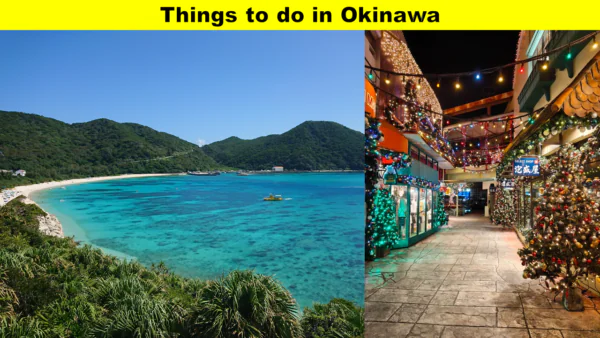
Things to do in Okinawa based on NeemTime research from most popular to just popular.
Okinawa Churaumi Aquarium, Okinawa
Overview: Okinawa Churaumi Aquarium is one of the world’s largest aquariums, renowned for its massive Kuroshio Tank featuring whale sharks, manta rays, and diverse marine life from the Okinawan seas.
History: Built as part of the 1975 Ocean Expo legacy and reopened in its current form in 2002, the aquarium was designed to showcase and conserve Okinawa’s rich marine ecosystem.
Since When: The aquarium has been operating in its modern state since 2002.
Review: Visitors consistently rate it highly for its impressive scale, clear viewing panels, educational exhibits, and family-friendly facilities.
When to Go: Weekday mornings are ideal to avoid crowds, especially during summer and Japanese school holidays.
How to Go: It is accessible by car or express bus from Naha, with parking available at Ocean Expo Park.
What to Do: Watch whale shark feedings, explore deep-sea exhibits, visit the dolphin lagoon, and enjoy panoramic ocean views.
Free or Paid: Paid entry, with some outdoor areas of Ocean Expo Park accessible for free.
Shuri Castle, Okinawa
Overview: Shuri Castle is a UNESCO World Heritage Site and former royal palace of the Ryukyu Kingdom, symbolizing Okinawa’s unique cultural and political history.
History: Originally built in the 14th century, the castle served as the administrative and ceremonial center of the Ryukyu Kingdom before suffering multiple destructions and reconstructions.
Since When: The site has existed since the 1300s, with major restorations completed in the late 20th century and ongoing reconstruction after the 2019 fire.
Review: Visitors admire its striking red architecture, historical significance, and panoramic views of Naha City.
When to Go: Visit in the early morning or late afternoon for fewer crowds and cooler temperatures.
How to Go: Easily reached by Yui Rail monorail to Shuri Station followed by a short walk or bus ride.
What to Do: Explore palace ruins, walk the castle walls, visit nearby historical gates, and learn Ryukyuan history.
Free or Paid: Partially paid, with some grounds free and indoor areas requiring an entrance fee.
American Village, Okinawa
Overview: American Village is a lively entertainment and shopping complex in Chatan blending American-style architecture with Okinawan coastal culture.
History: Developed in the late 1990s near U.S. military bases, it reflects the long-standing American influence in Okinawa.
Since When: The area has been open to the public since around 1998.
Review: Tourists enjoy its colorful streets, dining variety, nightlife, and ocean sunsets.
When to Go: Late afternoon to evening is best for shopping, dining, and sunset views.
How to Go: Accessible by bus or car from Naha, with ample parking available.
What to Do: Shop for souvenirs, dine at international restaurants, enjoy live music, and relax by the waterfront.
Free or Paid: Free entry, with paid shopping, dining, and entertainment.
Cape Manzamo, Okinawa
Overview: Cape Manzamo is a dramatic coastal cliff famous for its elephant-shaped rock formation and panoramic views of the East China Sea.
History: The name “Manzamo” was given in the 18th century by the Ryukyu king, meaning “a field where ten thousand people can sit.”
Since When: It has been a recognized scenic spot since the 1700s.
Review: Visitors praise its breathtaking views, clean walking paths, and photo opportunities.
When to Go: Early morning or sunset offers the most stunning scenery and comfortable weather.
How to Go: Best reached by car or tour bus from Naha, as public transport is limited.
What to Do: Walk the coastal trail, take photos, enjoy ocean views, and visit nearby souvenir stalls.
Free or Paid: Paid entry with a small conservation fee.
Naha Kokusai Dori Shopping Street, Okinawa
Overview: Naha Kokusai Dori is Okinawa’s main shopping and entertainment street, lined with shops, restaurants, and cultural attractions.
History: Developed after World War II, it became a symbol of Naha’s postwar recovery and economic revival.
Since When: The street has been active as a commercial hub since the late 1940s.
Review: Travelers appreciate its lively atmosphere, local food options, and convenient souvenir shopping.
When to Go: Evenings are best for vibrant street life, dining, and events.
How to Go: Easily accessible by Yui Rail monorail, buses, or walking from central Naha.
What to Do: Shop for Okinawan crafts, try local cuisine, attend festivals, and explore side streets.
Free or Paid: Free to enter, with costs depending on shopping and dining choices.