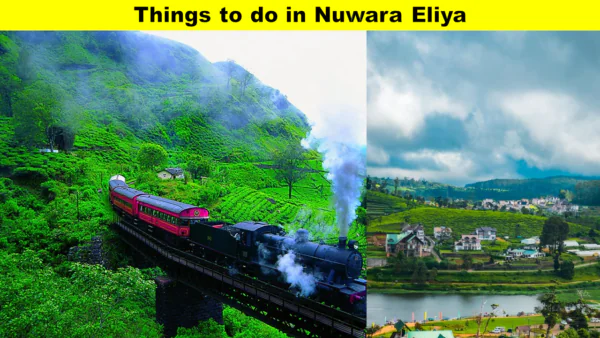
Things to do in Nuwara Eliya based on NeemTime research from most popular to just popular.
Gregory Park, Nuwara Eliya
Overview: Gregory Park is a scenic lakeside recreational area centered around Gregory Lake, offering boating, cycling, and relaxed family-friendly activities in cool hill-country weather.
History: The park developed around Gregory Lake, which was created during British colonial rule to control water flow and enhance the town’s landscape.
Since When: Gregory Lake and the surrounding park date back to 1873 during the tenure of Governor Sir William Gregory.
Review: Visitors enjoy the fresh climate, beautiful lake views, and variety of leisure activities, though it can be crowded during holidays.
When to Go: Early morning or late afternoon is ideal for pleasant weather and fewer crowds.
How to Go: The park is easily accessible by tuk-tuk, taxi, or a short drive from Nuwara Eliya town center.
What to Do: Visitors can go boating, cycling, horseback riding, enjoy street food, and relax by the lake.
Free or Paid: Entry is paid, with additional charges for activities.
Horton Plains National Park, Nuwara Eliya
Overview: Horton Plains National Park is a UNESCO World Heritage Site featuring rolling grasslands, cloud forests, and dramatic viewpoints like World’s End.
History: The area was once a hunting ground during British colonial times before being protected for conservation.
Since When: It was declared a national park in 1988.
Review: Visitors highly rate its natural beauty, biodiversity, and hiking trails, though weather can be unpredictable.
When to Go: Early morning visits are best to catch clear views at World’s End before mist sets in.
How to Go: The park is accessible by car or tuk-tuk from Nuwara Eliya or Ohiya, followed by entry at the main gate.
What to Do: Visitors can hike trails, observe wildlife, photograph landscapes, and enjoy nature walks.
Free or Paid: Entry is paid.
Victoria Park – Nuwara Eliya, Nuwara Eliya
Overview: Victoria Park is a well-maintained urban park in Nuwara Eliya known for colorful flower beds, walking paths, and birdlife.
History: Established during British rule, the park was named in honor of Queen Victoria.
Since When: The park was opened to the public in 1897.
Review: Visitors appreciate its cleanliness, floral displays, and calm atmosphere in the heart of the town.
When to Go: Late morning or afternoon is ideal when flowers are in full bloom.
How to Go: The park is centrally located and easily reachable on foot or by tuk-tuk from anywhere in Nuwara Eliya.
What to Do: Visitors can stroll, relax, enjoy photography, and observe birds and flowers.
Free or Paid: Entry is paid.
Hakgala Botanical Garden, Nuwara Eliya
Overview: Hakgala Botanical Garden is a high-altitude botanical garden featuring exotic flowers, roses, orchids, and forested landscapes.
History: Originally established as a cinchona plantation during colonial times, it later became a botanical garden.
Since When: The garden has been open to the public since 1861.
Review: Visitors praise its cool climate, diverse plant collections, and scenic walking paths.
When to Go: April to August is ideal when flowers are in peak bloom.
How to Go: The garden is accessible by tuk-tuk or car, about 10 km from Nuwara Eliya town.
What to Do: Visitors can explore themed gardens, walk trails, photograph flowers, and relax in nature.
Free or Paid: Entry is paid.
Labookellie Tea Lounge, Nuwara Eliya
Overview: Labookellie Tea Lounge is a scenic tea café offering fresh Ceylon tea, plantation views, and light refreshments along the Nuwara Eliya–Kandy road.
History: It was established by the Labookellie Tea Estate to showcase Sri Lanka’s tea heritage and promote estate-grown teas.
Since When: The tea lounge has been welcoming visitors since the early 2000s.
Review: Visitors enjoy the panoramic views, quality tea, and relaxed atmosphere, though seating can be limited.
When to Go: Late morning or afternoon is ideal for clear views and tea tasting.
How to Go: The lounge is accessible by car or taxi while traveling between Kandy and Nuwara Eliya.
What to Do: Visitors can taste different teas, take photos of the tea estates, and purchase tea products.
Free or Paid: Entry is free, while food and drinks are paid.
Yala National Park, Nuwara Eliya
Overview: Yala National Park is Sri Lanka’s most famous wildlife reserve, known for its high density of leopards, diverse ecosystems, and exciting safari experiences.
History: Originally designated as a wildlife sanctuary during British rule, it later gained prominence for conservation and eco-tourism.
Since When: Yala was declared a national park in 1938.
Review: Visitors highly rate the park for thrilling safaris and wildlife sightings, though it can feel crowded during peak seasons.
When to Go: February to July is ideal, as animals are easier to spot during the dry season.
How to Go: The park is accessible by car or safari jeep from nearby towns, though it is a long drive from Nuwara Eliya.
What to Do: Visitors can go on jeep safaris, spot leopards and elephants, and enjoy nature photography.
Free or Paid: Entry is paid, including safari fees.
Lipton’s Seat, Nuwara Eliya
Overview: Lipton’s Seat is a panoramic viewpoint offering sweeping views of tea plantations and valleys, famously associated with Sir Thomas Lipton.
History: The viewpoint was used by Sir Thomas Lipton to survey his tea estates during the British colonial era.
Since When: It has been a known landmark since the late 19th century.
Review: Visitors love the breathtaking views and cool climate, though fog can occasionally block visibility.
When to Go: Early morning is best for clear views before mist sets in.
How to Go: It is accessible by car, tuk-tuk, or hiking from Haputale, which is reachable from Nuwara Eliya.
What to Do: Visitors can enjoy scenic views, hike through tea estates, and take photographs.
Free or Paid: Entry is free, with optional parking fees.
Heritance Tea Factory, Nuwara Eliya
Overview: Heritance Tea Factory is a luxury heritage hotel set in a former tea factory, offering immersive hill-country and tea plantation experiences.
History: The building originally functioned as a working tea factory before being converted into a boutique hotel.
Since When: It has operated as a heritage hotel since 1996.
Review: Guests praise its unique concept, cool climate, and scenic surroundings, though it feels secluded.
When to Go: March to May is ideal for pleasant weather and clear views.
How to Go: The hotel is accessible by car or taxi from Nuwara Eliya town.
What to Do: Visitors can enjoy tea tasting, guided plantation tours, spa treatments, and nature walks.
Free or Paid: Access is free, while accommodation and activities are paid.
Seeta Amman Kovil, Nuwara Eliya
Overview: Seeta Amman Kovil is a colorful Hindu temple believed to be associated with the Ramayana legend and devoted to Goddess Sita.
History: According to tradition, the site marks where Sita was held captive by King Ravana.
Since When: The temple has existed in its current form since the early 20th century.
Review: Visitors appreciate its spiritual atmosphere, mythological importance, and scenic forest setting.
When to Go: Morning hours are ideal for worship and peaceful surroundings.
How to Go: The temple is accessible by car or tuk-tuk, about 5 km from Nuwara Eliya town.
What to Do: Visitors can pray, explore temple grounds, and learn about Ramayana-related legends.
Free or Paid: Entry is free.
Ramboda Falls, Nuwara Eliya
Overview: Ramboda Falls is a majestic multi-tiered waterfall surrounded by lush greenery, making it one of Sri Lanka’s most scenic natural attractions.
History: The falls have long been a natural landmark along the historic Kandy–Nuwara Eliya route.
Since When: Ramboda Falls has been recognized as a tourist attraction for decades.
Review: Visitors enjoy the dramatic views and refreshing atmosphere, though access requires some walking.
When to Go: May to September is ideal when water flow is strong after rains.
How to Go: The falls are easily accessible by car or bus along the main road between Kandy and Nuwara Eliya.
What to Do: Visitors can hike, take photographs, enjoy the scenery, and relax near the waterfall.
Free or Paid: Entry is free.
Ambewela Farm, Nuwara Eliya
Overview: Ambewela Farm, also known as “Little New Zealand,” is a scenic highland dairy farm famous for its lush pastures, cows, and cool climate.
History: Established during British colonial times, it has been a key center for dairy production in Sri Lanka.
Since When: The farm has been operational since the early 20th century.
Review: Visitors enjoy the open landscapes, animal sightings, and photography opportunities, though it can be foggy in mornings.
When to Go: Late morning or early afternoon is best for clear views and active farm animals.
How to Go: The farm is accessible by car or tuk-tuk from Nuwara Eliya town along the Hatton road.
What to Do: Visitors can observe farm operations, take photos, enjoy scenic views, and feed animals.
Free or Paid: Entry is free, though guided tours may be paid.
Jetwing St. Andrews, Nuwara Eliya
Overview: Jetwing St. Andrews is a luxury colonial-style hotel located amidst the lush greenery of Nuwara Eliya, offering golf courses, fine dining, and scenic views.
History: Originally a British-era hunting lodge, it was converted into a hotel to promote high-end tourism.
Since When: The property has operated as a hotel since the 1980s.
Review: Guests praise its elegant architecture, tranquil environment, and attentive service, though it is relatively remote from the town center.
When to Go: October to March is ideal for clear weather and comfortable temperatures.
How to Go: The hotel is accessible by car or taxi from Nuwara Eliya town or nearby train stations.
What to Do: Visitors can play golf, relax in gardens, dine in the restaurant, and enjoy scenic walks.
Free or Paid: Access is free, while accommodation and facilities are paid.
Moon Plains, Nuwara Eliya
Overview: Moon Plains is a scenic plateau offering expansive grasslands, rolling hills, and panoramic views, often enveloped in mist for a mystical atmosphere.
History: The area was used as grazing land during British colonial times and later became a popular tourist viewpoint.
Since When: It has been a known sightseeing spot since the early 20th century.
Review: Visitors love its open landscapes, tranquil atmosphere, and photography potential, though weather can obscure views.
When to Go: Early morning is best for clear views and misty landscapes.
How to Go: The plains are accessible by car or tuk-tuk from Nuwara Eliya town, often requiring a short walk.
What to Do: Visitors can hike, photograph scenery, enjoy picnics, and take in the panoramic views.
Free or Paid: Entry is free.
Themparadu, Nuwara Eliya
Overview: Themparadu is a lesser-known highland viewpoint near Nuwara Eliya, offering sweeping vistas of tea plantations and valleys.
History: The site gained attention as a scenic stop along colonial-era estate roads for surveying plantations.
Since When: Themparadu has been recognized as a viewpoint since the mid-20th century.
Review: Visitors appreciate the peaceful environment and photo opportunities, though signage and facilities are minimal.
When to Go: Morning or late afternoon is ideal for lighting and clear visibility.
How to Go: The viewpoint is accessible by car or tuk-tuk, with a short walk from the main road.
What to Do: Visitors can take photos, enjoy the views, and walk along nearby trails.
Free or Paid: Entry is free.
Great World’s End Drop, Nuwara Eliya
Overview: Great World’s End is a dramatic cliff in Horton Plains offering breathtaking vertical drops and panoramic views over the surrounding valleys and tea estates.
History: The location has been an important natural landmark and sightseeing point since colonial times.
Since When: It has been a tourist attraction since the late 19th century.
Review: Visitors are awed by the cliff views and natural scenery, though mist can obscure the landscape.
When to Go: Early morning is best for clear visibility and avoiding clouds.
How to Go: The cliff is accessible via Horton Plains National Park, requiring a jeep or car from Nuwara Eliya followed by a short hike.
What to Do: Visitors can hike, take photographs, observe wildlife, and enjoy the natural scenery.
Free or Paid: Entry is paid as part of Horton Plains National Park fees.
Bluefield Tea Factory, Nuwara Eliya
Overview: Bluefield Tea Factory is a working tea estate offering visitors a chance to observe the traditional process of Ceylon tea production amidst scenic highlands.
History: The factory was established during British colonial times to process tea from the surrounding estates and support export markets.
Since When: It has been operational since the mid-20th century.
Review: Visitors enjoy guided tours explaining tea processing and tasting sessions, though the location is slightly off the main town route.
When to Go: Morning visits are ideal for factory tours and clearer views of the plantations.
How to Go: The factory is accessible by car or tuk-tuk from Nuwara Eliya town.
What to Do: Visitors can tour the factory, observe tea processing, taste different teas, and shop for tea products.
Free or Paid: Entry is free, while guided tours and tea tastings are paid.
Araliya Green City, Nuwara Eliya
Overview: Araliya Green City is a modern residential and commercial complex in Nuwara Eliya offering accommodations, shopping, and dining facilities surrounded by landscaped greenery.
History: Developed to provide upscale living and hospitality services to residents and tourists in the hill country.
Since When: The complex has been operational since the early 2010s.
Review: Visitors and residents appreciate the well-maintained environment, amenities, and proximity to town attractions.
When to Go: Any time during daylight hours is suitable for visiting its shops or enjoying the outdoor spaces.
How to Go: The site is accessible by car, taxi, or tuk-tuk from Nuwara Eliya town center.
What to Do: Visitors can shop, dine, walk in landscaped areas, or stay at the hotel accommodations.
Free or Paid: Entry is free, while services and shopping are paid.
Aberdeen Waterfall, Nuwara Eliya
Overview: Aberdeen Waterfall is a scenic natural waterfall located amidst lush forests and tea plantations, offering a serene retreat from the town.
History: The waterfall has long been a natural landmark appreciated by locals and visitors during colonial and post-colonial times.
Since When: It has been recognized as a tourist spot since the early 20th century.
Review: Visitors enjoy the tranquil surroundings, photography opportunities, and easy short hike, though water flow can vary seasonally.
When to Go: Early morning or after light rains is best for optimal water flow and peaceful surroundings.
How to Go: The waterfall is accessible by car or tuk-tuk, followed by a short walk from the parking area.
What to Do: Visitors can hike, photograph the waterfall, picnic, and enjoy nature.
Free or Paid: Entry is free.
Mlesna Tea Castle St Clair, Nuwara Eliya
Overview: Mlesna Tea Castle is a tea boutique and café offering premium Ceylon teas, tea-based products, and picturesque views of Nuwara Eliya’s tea country.
History: It was established by Mlesna Tea Company to promote high-quality tea experiences and cultural tourism.
Since When: The outlet has been welcoming visitors since the early 2000s.
Review: Visitors enjoy the elegant setting, tea tasting experiences, and informative displays, though it can be crowded during peak tourist hours.
When to Go: Late morning or early afternoon is ideal for tea tastings and scenic photography.
How to Go: The location is accessible by car or tuk-tuk from Nuwara Eliya town center.
What to Do: Visitors can taste teas, buy premium tea products, enjoy high tea, and take photos of the surroundings.
Free or Paid: Entry is free, while tea tasting and purchases are paid.
Gregory Lake, Nuwara Eliya
Overview: Gregory Lake is a picturesque artificial lake in Nuwara Eliya surrounded by parks, offering boating, cycling, and family recreation.
History: The lake was created during British colonial rule as part of town planning for leisure and water management.
Since When: Gregory Lake has been open to the public since 1873.
Review: Visitors enjoy boating, horse riding, and the peaceful scenery, though weekends can be crowded.
When to Go: Early morning or late afternoon is ideal for calm waters and fewer crowds.
How to Go: The lake is centrally located and accessible by foot, tuk-tuk, or taxi from Nuwara Eliya town.
What to Do: Visitors can go boating, cycle around the lake, ride horses, picnic, and relax by the water.
Free or Paid: Entry to the lake area is paid, and activities like boating and cycling are additionally paid.
Bomburu Ella Waterfall, Nuwara Eliya
Overview: Bomburu Ella Waterfall is a serene multi-tiered waterfall surrounded by lush greenery, offering a peaceful escape and picturesque scenery in Nuwara Eliya.
History: The waterfall has been part of the natural landscape admired by locals and colonial visitors for its beauty and tranquility.
Since When: It has been recognized as a local tourist spot since the early 20th century.
Review: Visitors appreciate its scenic charm, soothing sound of cascading water, and opportunities for photography, though access requires a short hike.
When to Go: Early morning or after rainfall is best for vibrant water flow and fewer crowds.
How to Go: The waterfall is accessible by car or tuk-tuk from Nuwara Eliya, followed by a short trek.
What to Do: Visitors can hike, take photos, enjoy the natural surroundings, and picnic near the falls.
Free or Paid: Entry is free.
Lake Gregory, Nuwara Eliya
Overview: Lake Gregory is a scenic artificial lake surrounded by parks, boating facilities, and family-friendly recreational activities in Nuwara Eliya.
History: Created during British colonial rule, it was designed as a recreational area for visitors and locals alike.
Since When: The lake has been in use since 1873.
Review: Visitors enjoy boating, horse riding, and walking paths, though it can become crowded on weekends and holidays.
When to Go: Early morning or late afternoon is ideal for peaceful activities and better photography lighting.
How to Go: The lake is centrally located and accessible on foot, by tuk-tuk, or by car from Nuwara Eliya town.
What to Do: Visitors can go boating, cycle, ride horses, picnic, and relax by the water.
Free or Paid: Entry to the lake area is paid, while activities like boating are additionally paid.
Lover’s Leap Waterfall, Nuwara Eliya
Overview: Lover’s Leap Waterfall is a dramatic waterfall dropping from a steep cliff amidst tea plantations and forested hills near Nuwara Eliya.
History: The waterfall has been part of local folklore and admired by colonial visitors for its scenic beauty.
Since When: It has been a recognized sightseeing spot since the early 20th century.
Review: Visitors love the breathtaking views and photo opportunities, though access requires careful walking along the cliffside.
When to Go: Morning or early afternoon is best for clear views and good lighting.
How to Go: The site is accessible by car or tuk-tuk from Nuwara Eliya town, followed by a short walk.
What to Do: Visitors can take photos, enjoy the scenery, hike nearby trails, and observe the surrounding tea plantations.
Free or Paid: Entry is free.
Sera Ella Water Fall, Nuwara Eliya
Overview: Sera Ella Waterfall is a hidden gem in Nuwara Eliya, featuring a cascading fall in a serene forested environment popular among nature lovers and hikers.
History: The waterfall has long been part of local lore and rural landscapes, with minimal development preserving its natural charm.
Since When: It has been visited by locals and travelers since the mid-20th century.
Review: Visitors praise the peaceful setting and clear waters, though reaching the waterfall requires moderate trekking.
When to Go: Early morning or after light rains is best for full water flow and lush surroundings.
How to Go: The waterfall is accessible by car or tuk-tuk, followed by a short hike through forest trails.
What to Do: Visitors can hike, swim in shallow pools, photograph nature, and picnic near the falls.
Free or Paid: Entry is free.
The Eagle’s View Point, Nuwara Eliya
Overview: The Eagle’s View Point offers panoramic views over valleys, mountains, and tea plantations, providing one of the best vantage points in Nuwara Eliya.
History: The viewpoint has long been a popular stop along colonial-era estate roads for sightseeing and surveying the landscape.
Since When: It has been known as a tourist viewpoint since the early 20th century.
Review: Visitors admire the sweeping views and photo opportunities, though the area can be windy and exposed.
When to Go: Early morning is ideal for clear skies and visibility across the valleys.
How to Go: The viewpoint is accessible by car or tuk-tuk from Nuwara Eliya, with a short walk to the actual lookout.
What to Do: Visitors can take photographs, enjoy the scenery, and relax while observing the surrounding landscape.
Free or Paid: Entry is free.
Blackpool Resort & Spa, Nuwara Eliya
Overview: Blackpool Resort & Spa is a luxury hill-country hotel in Nuwara Eliya offering comfortable accommodations, spa treatments, and panoramic views of tea plantations.
History: The resort was developed to cater to tourists seeking relaxation and wellness experiences in Sri Lanka’s cool climate.
Since When: It has been operational since the 2010s.
Review: Visitors praise its serene location, friendly staff, and wellness facilities, though it is slightly distant from the town center.
When to Go: October to March is ideal for pleasant weather and clear views.
How to Go: The resort is accessible by car or taxi from Nuwara Eliya town.
What to Do: Guests can enjoy spa treatments, relax in gardens, explore nearby tea estates, and dine with scenic views.
Free or Paid: Access to the resort is free, while accommodation and spa services are paid.
Bluefield Tea Gardens, Nuwara Eliya
Overview: Bluefield Tea Gardens is a sprawling tea estate in Nuwara Eliya offering scenic vistas, tea factory tours, and a glimpse into Ceylon tea production.
History: The estate was established during British colonial times to cultivate and export premium Ceylon tea.
Since When: It has been operational since the mid-20th century.
Review: Visitors appreciate the scenic plantations, guided tours, and tea tasting, though the estate is somewhat remote.
When to Go: Morning visits are best for clear visibility and active factory operations.
How to Go: The gardens are accessible by car or tuk-tuk from Nuwara Eliya town.
What to Do: Visitors can tour the factory, observe tea processing, sample teas, and photograph the plantations.
Free or Paid: Entry is free, while guided tours and tea tasting are paid.
Laxapana Falls, Nuwara Eliya
Overview: Laxapana Falls is a stunning waterfall cascading through lush forests, known for its height and natural beauty near Nuwara Eliya.
History: The falls have long been a natural landmark and a point of local admiration among visitors and colonial explorers.
Since When: It has been a recognized tourist attraction since the early 20th century.
Review: Visitors enjoy the scenic views and tranquil atmosphere, though reaching the falls may require trekking on uneven paths.
When to Go: Early morning or after rainfall is best for full water flow and clearer surroundings.
How to Go: The falls are accessible by car or tuk-tuk, followed by a short hike.
What to Do: Visitors can hike, photograph the waterfall, picnic, and enjoy nature.
Free or Paid: Entry is free.
Nuwara Eliya Golf Club, Nuwara Eliya
Overview: Nuwara Eliya Golf Club is a historic colonial-era golf course set amidst cool hill-country landscapes and lush greenery.
History: Established by the British to provide recreation for colonial officers, it has remained a prestigious sporting venue.
Since When: The club has been operational since 1889.
Review: Visitors and golfers enjoy the scenic fairways and well-maintained course, though membership or fees apply for play.
When to Go: October to March is ideal for dry weather and optimal playing conditions.
How to Go: The club is accessible by car, taxi, or tuk-tuk from Nuwara Eliya town.
What to Do: Visitors can play golf, practice at the driving range, enjoy the clubhouse, or stroll the scenic grounds.
Free or Paid: Entry is paid for golfing, while walking the grounds may be free with permission.
Victoria Park of Nuwara Eliya, Nuwara Eliya
Overview: Victoria Park is a well-maintained public park in Nuwara Eliya featuring colorful flower beds, walking paths, and bird-watching opportunities.
History: Built during British colonial rule, the park was named in honor of Queen Victoria to provide recreation for locals and visitors.
Since When: It has been open to the public since 1897.
Review: Visitors enjoy its floral displays, peaceful atmosphere, and easy accessibility, though it can be busy during peak hours.
When to Go: Late morning or early afternoon is ideal for viewing flowers in full bloom.
How to Go: The park is centrally located and accessible on foot, by tuk-tuk, or car from Nuwara Eliya town.
What to Do: Visitors can stroll, photograph flowers, watch birds, and relax in the gardens.
Free or Paid: Entry is paid.