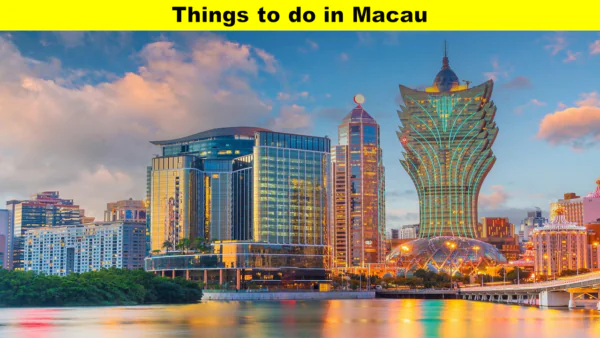
Things to do in Macau based on NeemTime research
The Venetian Macao, Macau
Overview: The Venetian Macao is a luxury integrated resort featuring a massive casino, themed canals with gondola rides, upscale shopping, hotels, and world-class entertainment.
History: It was developed by Las Vegas Sands as part of Macau’s transformation into a global entertainment and tourism hub inspired by Venice.
Since When: The Venetian Macao officially opened in 2007.
Review: Visitors praise its grand architecture, variety of attractions, shopping options, and immersive themed experience.
When to Go: Weekdays and non-holiday periods are best to avoid heavy crowds, especially in the casino and shopping areas.
How to Go: The resort is easily accessible by free hotel shuttle buses, taxis, or public buses from Macau Ferry Terminal and the airport.
What to Do: Visitors can try their luck at the casino, shop at luxury malls, enjoy gondola rides, dine at international restaurants, and watch live shows.
Free or Paid: Entry is free, while activities, shopping, and entertainment are paid.
Ruins of Saint Paul’s, Macau
Overview: The Ruins of Saint Paul’s is Macau’s most iconic landmark, featuring the preserved stone façade of a 17th-century church and a popular historic viewpoint.
History: Originally built by Jesuit missionaries, the church was destroyed by fire in 1835, leaving only its impressive façade and steps.
Since When: The ruins have stood as a historic site since 1835 and became a UNESCO World Heritage Site in 2005.
Review: Visitors admire its historical significance, detailed stone carvings, and panoramic views over Macau’s old city.
When to Go: Early mornings or late afternoons are ideal to avoid crowds and heat.
How to Go: The site is reachable on foot from Senado Square or by public bus and taxi.
What to Do: Visitors can explore the façade, visit the nearby museum, take photographs, and walk through the historic district.
Free or Paid: Entry is free.
Senado Square, Macau
Overview: Senado Square is a lively public square in Macau known for its wave-patterned pavement, colonial architecture, shops, and cultural atmosphere.
History: The square served as Macau’s civic center during Portuguese rule and has long been a focal point for public life.
Since When: Senado Square has existed as a central gathering place since the 16th century.
Review: Visitors enjoy its vibrant ambiance, historic surroundings, and easy access to shopping and dining.
When to Go: Evenings and weekends are lively, while mornings are calmer for sightseeing.
How to Go: The square is easily accessible by bus, taxi, or on foot from major attractions in central Macau.
What to Do: Visitors can stroll, shop, dine, photograph historic buildings, and attend public events or festivals.
Free or Paid: Entry is free.
The Parisian, Macau
Overview: The Parisian Macao is a French-themed luxury resort featuring a half-scale Eiffel Tower, casino, hotel, shopping mall, and entertainment venues.
History: It was developed by Las Vegas Sands to expand Macau’s themed resort offerings with a Paris-inspired concept.
Since When: The Parisian Macao officially opened in 2016.
Review: Visitors appreciate its romantic design, observation deck views, and variety of entertainment and dining options.
When to Go: Evening visits are ideal to enjoy the illuminated Eiffel Tower and nighttime atmosphere.
How to Go: The resort is accessible via free shuttle buses, taxis, and public transportation from major terminals.
What to Do: Visitors can visit the Eiffel Tower observation deck, shop, dine, gamble, and watch live performances.
Free or Paid: Entry is free, while attractions and services are paid.
Wynn Palace, Macau
Overview: Wynn Palace is a luxury resort in Macau featuring a high-end casino, musical fountain, sky cable cars, fine dining, and elegant gardens.
History: Developed by Wynn Resorts, it was designed to elevate luxury tourism in Cotai with a focus on art and refined experiences.
Since When: Wynn Palace opened to the public in 2016.
Review: Visitors highlight its luxurious ambiance, stunning fountain shows, and premium service.
When to Go: Evening hours are best to enjoy the fountain performances and illuminated surroundings.
How to Go: The resort is easily reached by free shuttle buses, taxis, or public buses from ferry terminals and the airport.
What to Do: Visitors can ride the SkyCab, watch the musical fountain, gamble, dine at fine restaurants, and explore art displays.
Free or Paid: Entry is free, while entertainment, dining, and gaming are paid.
Ruins of St. Paul’s, Macau
Overview: The Ruins of St. Paul’s is Macau’s most famous historical landmark, featuring the grand stone façade of a former Jesuit church overlooking the old city.
History: Built in the early 17th century by Jesuit missionaries, the church was destroyed by a fire in 1835, leaving only its iconic façade and stairway.
Since When: The ruins have existed since 1835 and were designated a UNESCO World Heritage Site in 2005.
Review: Visitors admire its cultural significance, intricate carvings, and panoramic views, though it can be very crowded.
When to Go: Early morning or late afternoon is best to avoid crowds and strong sunlight.
How to Go: The site is accessible by walking from Senado Square or by bus and taxi from anywhere in Macau.
What to Do: Visitors can explore the façade, visit the nearby museum, take photos, and walk through the historic district.
Free or Paid: Entry is free.
Macau Tower Convention and Entertainment Center, Macau
Overview: Macau Tower is a multi-purpose landmark offering observation decks, thrill rides, dining, and panoramic views of Macau and the Pearl River Delta.
History: The tower was developed to enhance Macau’s skyline and provide a world-class entertainment and convention venue.
Since When: Macau Tower officially opened in 2001.
Review: Visitors praise its breathtaking views and adventure activities, especially the world-famous bungee jump.
When to Go: Late afternoon to evening is ideal for sunset views and nighttime city lights.
How to Go: The tower is easily reachable by taxi, public bus, or shuttle services from major hotels.
What to Do: Visitors can enjoy skywalks, bungee jumping, dine at the revolving restaurant, and visit the observation deck.
Free or Paid: Entry to the tower and attractions is paid.
The Londoner Macao, Macau
Overview: The Londoner Macao is a luxury integrated resort themed around iconic British landmarks, featuring hotels, a casino, shopping, and entertainment.
History: It was developed by Las Vegas Sands as a rebranding and expansion of existing Cotai properties into a British-themed destination.
Since When: The Londoner Macao officially opened in phases starting in 2021.
Review: Visitors enjoy its detailed British architecture, high-end shopping, and variety of dining options.
When to Go: Evenings are ideal to experience the illuminated architecture and live entertainment.
How to Go: The resort is accessible by free shuttle buses, taxis, and public transport from ferry terminals and the airport.
What to Do: Visitors can explore themed buildings, shop, dine, gamble, and watch shows.
Free or Paid: Entry is free, while entertainment, shopping, and gaming are paid.
House of Dancing Water, Macau
Overview: The House of Dancing Water is a world-renowned aquatic stage show combining acrobatics, dance, theater, and stunning visual effects.
History: The show was created by Franco Dragone and designed specifically for Macau’s large-scale entertainment venues.
Since When: The show first premiered in 2010 and later returned after renovations in the early 2020s.
Review: Audiences consistently rate it as one of the best live shows in the world for its scale and creativity.
When to Go: Evening performances are ideal, especially on weekdays for better seat availability.
How to Go: The venue is located at City of Dreams and is accessible by taxi, shuttle bus, or public transport.
What to Do: Visitors can watch the performance, explore nearby resorts, and dine before or after the show.
Free or Paid: Tickets are paid.
Macau Fisherman’s Wharf, Macau
Overview: Macau Fisherman’s Wharf is a themed waterfront complex featuring restaurants, shops, entertainment venues, and replica architectural styles from around the world.
History: The complex was developed to diversify Macau’s tourism offerings beyond casinos with family-friendly attractions.
Since When: Macau Fisherman’s Wharf opened in 2006.
Review: Visitors enjoy its relaxed seaside atmosphere and photo opportunities, though some areas feel quieter than major resorts.
When to Go: Late afternoon or early evening is ideal for waterfront walks and dining.
How to Go: The area is easily accessible by taxi or bus from Macau Ferry Terminal and central districts.
What to Do: Visitors can walk along the waterfront, dine, shop, take photos, and enjoy occasional events.
Free or Paid: Entry is free, while dining and entertainment are paid.
Casino at Venetian Macao, Macau
Overview: The Casino at Venetian Macao is one of the largest casinos in the world, offering thousands of gaming tables and slot machines within a grand Venetian-themed resort.
History: It was developed by Las Vegas Sands as part of Macau’s rapid expansion into a global casino and entertainment destination.
Since When: The casino has been operating since the opening of The Venetian Macao in 2007.
Review: Visitors highlight its vast gaming options, luxurious interiors, and lively atmosphere, though it can feel overwhelming due to its size.
When to Go: Late evenings on weekdays are ideal for a vibrant yet less crowded gaming experience.
How to Go: The casino is easily accessible by free hotel shuttles, taxis, and public buses from ferry terminals and the airport.
What to Do: Visitors can gamble, enjoy high-end dining, shop in the mall, and explore themed attractions.
Free or Paid: Entry is free, while gambling and services are paid.
City of Dreams, Macau
Overview: City of Dreams is a major integrated resort complex in Macau featuring multiple casinos, luxury hotels, shopping, dining, and world-class entertainment.
History: Developed by Melco Resorts, it was designed to diversify Macau’s entertainment offerings beyond traditional gaming.
Since When: City of Dreams officially opened in 2009.
Review: Visitors appreciate its modern design, premium shows, and diverse dining and entertainment options.
When to Go: Evenings and weekends are lively, while weekdays offer a more relaxed experience.
How to Go: The resort is accessible by free shuttle buses, taxis, and public transportation from major entry points.
What to Do: Visitors can gamble, watch live shows, dine at fine restaurants, and explore luxury shopping areas.
Free or Paid: Entry is free, while gaming, shows, and dining are paid.
Casino Lisboa, Macau
Overview: Casino Lisboa is an iconic casino in Macau known for its distinctive lotus-shaped design and classic gaming atmosphere.
History: Established by Stanley Ho, it played a pivotal role in shaping Macau’s casino industry and tourism economy.
Since When: Casino Lisboa opened in 1970.
Review: Visitors value its historical significance and traditional casino vibe, though it feels older compared to newer resorts.
When to Go: Evenings are ideal for experiencing its vibrant gaming environment.
How to Go: The casino is centrally located and accessible by taxi, bus, or on foot from central Macau.
What to Do: Visitors can gamble, dine at nearby restaurants, and explore surrounding landmarks.
Free or Paid: Entry is free, while gambling and dining are paid.
Largo do Senado (Senado Square), Macau
Overview: Largo do Senado, also known as Senado Square, is a bustling public square famous for its Portuguese-style pavement, shops, and historic buildings.
History: The square served as Macau’s civic center during Portuguese administration and remains a cultural focal point.
Since When: It has functioned as a central gathering space since the 16th century.
Review: Visitors enjoy its vibrant atmosphere, architectural beauty, and proximity to major heritage sites.
When to Go: Early morning or evening is best to enjoy the square without heavy crowds.
How to Go: The square is easily reachable by bus, taxi, or on foot from central Macau.
What to Do: Visitors can stroll, shop, dine, photograph historic architecture, and attend public events.
Free or Paid: Entry is free.
Venetian Macao Casino, Macau
Overview: Venetian Macao Casino is a massive gaming venue within The Venetian Macao, offering a wide range of table games and slot machines in a luxury setting.
History: It was built as part of the Venetian resort to establish Macau as a premier global casino destination.
Since When: The casino has been operating since 2007.
Review: Visitors praise its scale, opulent décor, and variety of gaming options, though it can be crowded.
When to Go: Late nights on weekdays are ideal for fewer crowds and a lively gaming experience.
How to Go: The casino is accessible via free shuttle buses, taxis, and public buses from major transport hubs.
What to Do: Visitors can gamble, dine at luxury restaurants, shop in the mall, and enjoy entertainment.
Free or Paid: Entry is free, while gaming and other services are paid.
Historic Centre of Macau, Macau
Overview: The Historic Centre of Macau is a UNESCO World Heritage Site encompassing churches, squares, forts, and streets that showcase a unique blend of Chinese and Portuguese culture.
History: The area developed from the 16th century onward as a major trading port under Portuguese administration, creating a rare East–West cultural fusion.
Since When: It has been officially recognized as a UNESCO World Heritage Site since 2005.
Review: Visitors highly rate it for its rich history, walkability, and well-preserved architecture, though it can be busy during peak hours.
When to Go: Early mornings or late afternoons are best for comfortable walking and fewer crowds.
How to Go: The area is accessible by public buses, taxis, or on foot from central Macau landmarks.
What to Do: Visitors can explore heritage buildings, walk historic streets, visit museums, and enjoy local food.
Free or Paid: Entry is free, though some museums may charge fees.
Grand Lisboa Palace Resort Macau, Macau
Overview: Grand Lisboa Palace Resort is a luxury integrated resort offering high-end hotels, casinos, fine dining, shopping, and large-scale entertainment.
History: Developed by SJM Resorts, it represents a modern evolution of Macau’s iconic Lisboa brand.
Since When: The resort officially opened in 2021.
Review: Visitors appreciate its elegant design, premium services, and refined atmosphere compared to older casinos.
When to Go: Evenings are ideal for enjoying dining, casino activities, and illuminated architecture.
How to Go: The resort is accessible via free shuttle buses, taxis, and public transport from ferry terminals and the airport.
What to Do: Visitors can gamble, dine at Michelin-starred restaurants, shop luxury brands, and enjoy live entertainment.
Free or Paid: Entry is free, while gaming, dining, and entertainment are paid.
Macau Tower Convention & Entertainment Centre, Macau
Overview: Macau Tower is a landmark attraction offering observation decks, adventure activities, dining, and panoramic views of the city and Pearl River Delta.
History: The tower was built to create a signature skyline icon and diversify Macau’s tourism attractions beyond gaming.
Since When: Macau Tower opened to the public in 2001.
Review: Visitors consistently praise the thrilling activities and breathtaking views, especially at sunset.
When to Go: Late afternoon to evening is best for daylight views and city lights.
How to Go: The tower is reachable by taxi, bus, or shuttle services from major hotels.
What to Do: Visitors can try bungee jumping, skywalks, dine in the revolving restaurant, and visit the observation deck.
Free or Paid: Entry and attractions are paid.
Taipa Houses, Macau
Overview: The Taipa Houses are a group of restored colonial residences showcasing Portuguese architecture, museums, and scenic waterfront views.
History: Built in the 1920s, these houses originally served as homes for senior Portuguese officials and local elites.
Since When: They have been open to the public as a cultural attraction since 1999.
Review: Visitors enjoy the peaceful setting, cultural exhibitions, and contrast to Macau’s busy casino areas.
When to Go: Mornings and late afternoons are ideal for a relaxed visit and photography.
How to Go: The site is accessible by public bus or taxi from central Macau and Cotai.
What to Do: Visitors can explore museums, walk along the waterfront, take photos, and learn about local history.
Free or Paid: Entry is free.
Macao Giant Panda Pavilion, Macau
Overview: The Macao Giant Panda Pavilion is a conservation and exhibition center dedicated to giant pandas and other rare wildlife.
History: The pavilion was established following the gifting of giant pandas from mainland China to Macau.
Since When: It has been open to the public since 2016.
Review: Visitors appreciate the educational displays, clean facilities, and opportunity to see pandas up close.
When to Go: Early mornings are best, as pandas are more active and crowds are smaller.
How to Go: The pavilion is accessible by bus or taxi and is located within Seac Pai Van Park in Coloane.
What to Do: Visitors can observe pandas, explore exhibitions, and walk through the surrounding park area.
Free or Paid: Entry is free.
A-Ma Temple, Macau
Overview: A-Ma Temple is one of Macau’s oldest and most important religious sites, dedicated to the sea goddess Mazu and set against a scenic hillside near the Inner Harbour.
History: Built by Chinese fishermen, the temple played a key role in maritime worship and even inspired the name “Macau” through early Portuguese encounters.
Since When: The temple dates back to 1488 and has been a place of worship for over five centuries.
Review: Visitors admire its spiritual atmosphere, traditional architecture, and historical significance, though it can be busy during festivals.
When to Go: Early morning is best to experience the temple’s calm ambiance and avoid crowds.
How to Go: The temple is accessible by public bus, taxi, or a short walk from Barra Square.
What to Do: Visitors can explore temple halls, light incense, admire stone carvings, and enjoy harbor views.
Free or Paid: Entry is free.
A-Ma Temple (Ma Kok Miu), Macau
Overview: A-Ma Temple, also known as Ma Kok Miu, is a historic Taoist temple complex honoring Mazu, blending religious devotion with cultural heritage.
History: The temple evolved over centuries with additions by local communities and sailors seeking protection at sea.
Since When: It has existed since the late 15th century, around 1488.
Review: Visitors appreciate its layered architecture, serene courtyards, and cultural depth, though signage is limited.
When to Go: Morning visits are ideal for quieter surroundings and better lighting for photography.
How to Go: The temple is easily reached by bus or taxi from central Macau.
What to Do: Visitors can pray, explore different temple levels, observe rituals, and learn about maritime traditions.
Free or Paid: Entry is free.
St. Dominic’s Church, Macau
Overview: St. Dominic’s Church is a striking Baroque-style Catholic church located near Senado Square, known for its yellow façade and rich interior.
History: Built by Spanish Dominican priests, it served as an important center for Catholic worship and missionary activity in Asia.
Since When: The church was completed in 1587.
Review: Visitors enjoy its peaceful interior, historical exhibits, and central location, though it is relatively small.
When to Go: Mid-morning or late afternoon is ideal to avoid peak tourist times.
How to Go: The church is accessible on foot from Senado Square or by bus and taxi.
What to Do: Visitors can admire religious art, attend mass, explore the small museum, and take photos.
Free or Paid: Entry is free.
Monte Fort, Macau
Overview: Monte Fort is a historic military fort offering panoramic views of Macau and housing the Macau Museum.
History: Built by the Jesuits in the early 17th century, the fort was used to defend the city from naval attacks.
Since When: Monte Fort was completed around 1626.
Review: Visitors praise its city views, historical cannons, and well-curated museum, though uphill access can be tiring.
When to Go: Early morning or late afternoon is best for cooler weather and clearer views.
How to Go: The fort is reachable by walking uphill from the Ruins of St. Paul’s or by taxi.
What to Do: Visitors can explore the fort walls, visit the museum, take photos, and learn about Macau’s military history.
Free or Paid: Fort entry is free, while the museum has a paid admission.
Grand Lisboa Casino, Macau
Overview: Grand Lisboa Casino is a landmark casino in Macau famous for its distinctive lotus-inspired design and upscale gaming environment.
History: Developed by SJM Holdings, it symbolizes the modernization of Macau’s casino industry.
Since When: The casino opened in 2007.
Review: Visitors enjoy its luxurious interiors, diverse gaming options, and iconic architecture, though it can feel crowded at night.
When to Go: Late evenings are ideal for experiencing the lively casino atmosphere.
How to Go: The casino is centrally located and easily accessible by taxi, bus, or on foot.
What to Do: Visitors can gamble, dine at fine restaurants, and admire the building’s design.
Free or Paid: Entry is free, while gambling and dining are paid.
Eiffel Tower, Macau
Overview: The Eiffel Tower in Macau is a half-scale replica of the Paris landmark located at The Parisian Macao, offering panoramic views and a romantic illuminated skyline.
History: It was constructed as part of The Parisian resort to bring a European-themed luxury experience to Macau’s Cotai Strip.
Since When: The Eiffel Tower Macau has been open to visitors since 2016.
Review: Visitors love the nighttime light show and observation decks, though queues can be long during peak hours.
When to Go: Evening visits are best to enjoy sunset views and the illuminated tower.
How to Go: The tower is accessible via free hotel shuttles, taxis, and public buses to The Parisian Macao.
What to Do: Visitors can go up to the observation decks, take photos, enjoy the light show, and explore nearby shops and restaurants.
Free or Paid: Viewing from outside is free, while access to observation decks is paid.
Macao Science Center, Macau
Overview: Macao Science Center is a modern educational complex featuring interactive science exhibits, a planetarium, and hands-on learning zones.
History: Designed by renowned architect I. M. Pei, it was built to promote science education and innovation in Macau.
Since When: The center opened to the public in 2009.
Review: Visitors appreciate the engaging exhibits and planetarium, especially for families, though adults may find some sections basic.
When to Go: Weekday mornings are ideal for a quieter and more educational experience.
How to Go: The center is accessible by bus or taxi from central Macau and ferry terminals.
What to Do: Visitors can explore interactive exhibits, watch planetarium shows, and participate in science activities.
Free or Paid: Entry is paid, with some discounted or free days for residents.
Mandarin’s House, Macau
Overview: Mandarin’s House is a well-preserved traditional Chinese residence showcasing elegant architecture and cultural heritage in old Macau.
History: The house belonged to Zheng Guanying, a prominent Chinese intellectual and reformist of the late Qing Dynasty.
Since When: It has been open to the public as a heritage site since 2010.
Review: Visitors praise its peaceful atmosphere, detailed design, and insight into traditional elite life.
When to Go: Late morning or early afternoon is ideal for a relaxed and uncrowded visit.
How to Go: The site is accessible by bus, taxi, or a short walk from A-Ma Temple.
What to Do: Visitors can explore courtyards, learn about Chinese history, and admire traditional craftsmanship.
Free or Paid: Entry is free.
Grand Coloane Resort, Macau
Overview: Grand Coloane Resort is a beachfront luxury hotel offering golf courses, spa facilities, ocean views, and a tranquil escape from the city.
History: Formerly known as Westin Coloane, it was developed to promote leisure tourism in Macau’s quieter Coloane area.
Since When: The resort has been operating since the late 1990s and was rebranded in 2017.
Review: Guests appreciate its peaceful setting, spacious rooms, and beach access, though it is far from central attractions.
When to Go: Spring and autumn are ideal for pleasant weather and outdoor activities.
How to Go: The resort is accessible by taxi or bus from Macau city and Cotai.
What to Do: Visitors can relax at the beach, play golf, enjoy spa treatments, and dine with sea views.
Free or Paid: Access to the resort is free, while accommodation and facilities are paid.