Zohran Mamdani based on NeemTime research
🧑💼 Who is Zohran Mamdani (Biography / Personal Details)
Zohran Mamdani was born on October 18, 1991 in Kampala, Uganda.
His full birth name is Zohran Kwame Mamdani.
He holds dual citizenship: Ugandan by birth and became a naturalized U.S. citizen in 2018.
His father is Mahmood Mamdani, an acclaimed scholar of African and post-colonial studies, and his mother is Mira Nair, a globally recognized filmmaker.
He attended public and private schools in New York City: elementary at the Bank Street School for Children, then high school at the prestigious Bronx High School of Science.
He graduated from Bowdoin College in Maine in 2014, earning a BA in Africana Studies.
Politically, he identifies as a democratic socialist and is a member of the Democratic Socialists of America (DSA).
As of 2025 he is the Mayor‑elect of New York City, set to assume office on January 1, 2026 — making him one of the youngest individuals to hold the post.
Previously, he served as a member of the New York State Assembly representing the 36th District (Astoria, Ditmars‑Steinway, Astoria Heights) since January 2021.
His background — born in Uganda, raised across continents, with Indian‑heritage parents — reflects a multicultural, global upbringing.
🌱 Early Life Highlights of Zohran Mamdani (Background / Childhood)
Shortly after his birth in Kampala, his family moved when he was around 5 years old to Cape Town, South Africa, where his father accepted an academic position.
Two years later (around age 7), the family relocated to New York City, where his father became a professor at Columbia University.
Growing up, Zohran was exposed to a household combining intellectual scholarship and creative filmmaking, with frequent discussions around justice, colonialism, identity, and art.
In high school, at Bronx High School of Science, he co‑founded the school’s first cricket team, reflecting an effort to maintain connection to his multicultural roots.
Also during high school, he ran for student body vice president — his first formal foray into leadership, though unsuccessfully.
At college (Bowdoin), beyond academics, he became politically active: he co‑founded a campus chapter of Students for Justice in Palestine, signaling early engagement with social justice and international issues.
His undergraduate studies in Africana Studies — informed by his upbringing — shaped his worldview on identity, colonial history, race, and justice.
As a child of immigrant Indian heritage, raised in Africa and the US, he grew up multilingual and culturally diverse, which would later inform both his personal identity and political perspective.
The early exposure to both academia (through his father) and artistic filmmaking (through his mother) seems to have shaped a hybrid sensibility that blends policy, social justice, and cultural awareness.
His formative years straddling continents — Africa and North America — likely contributed to a global outlook and empathy toward immigrant and working‑class experiences.
📈 Current Life Highlights of Zohran Mamdani (Career / Other Work)
In 2021, Zohran Mamdani was elected to the New York State Assembly from the 36th District, flipping a previously held seat.
During his time in the Assembly, he focused heavily on issues like housing, transit, economic justice — advocating for policies targeting affordability, eviction prevention, and equitable access.
Before holding elected office, he worked as a foreclosure prevention counselor in Queens, helping low-income homeowners of color avoid eviction.
In 2025 he ran for Mayor of New York City; winning the Democratic primary and then the general election, he became the Mayor‑elect, set to take office on January 1, 2026.
His mayoral campaign platform emphasized fare‑free public transit, rent stabilization and affordability, city‑owned grocery stores, and a $30 minimum wage by 2030.
His identity — African‑born, of Indian heritage, Muslim faith — along with his progressive agenda, makes him a symbol of rising generational and immigrant‑rooted leadership in American urban politics.
Beyond politics, he had a stint in the arts/music world: during his younger years he was part of a hip‑hop duo under the stage‑name Mr Cardamom, showing his engagement with cultural expression.
His rapid rise — from community‑level advocacy and counseling work to state assembly and now mayor — underscores a career built on grassroots organizing and social justice rather than traditional political establishment pathways.
As mayor‑elect, he represents a generational shift: a younger politician who brings immigrant roots, progressive vision, and a global upbringing to one of the world’s most prominent cities.
His election is historically significant: he becomes the first African-born, first South Asian-origin, and first Muslim to be elected Mayor of New York City.
❤️ Personal Life Highlights of Zohran Mamdani (Family / Relationships)
Zohran’s father is Mahmood Mamdani, a renowned scholar of African studies, post-colonial theory, and political science.
His mother is Mira Nair, the celebrated Indian-born filmmaker known for internationally acclaimed films.
In 2025, Zohran Mamdani married Rama Duwaji — a Syrian American artist and illustrator.
The couple reportedly met via a dating app and officially tied the knot earlier in 2025.
As of late 2025, they live in the Astoria neighborhood of Queens, New York.
Through his multicultural family — Indian heritage, African birth, American upbringing — Zohran’s personal identity spans continents, faiths, and cultures.
Growing up bilingual/multilingual in a household that valued global perspectives, Zohran is known to have familiarity with multiple languages besides English.
Raised in a home merging academia and art, his upbringing involved early exposure to film sets, intellectual dialogues about colonialism and justice, and cultural storytelling.
His personal story — immigrant roots, diasporic identity, multicultural upbringing, and progressive values — resonates with many voters who feel underrepresented in mainstream politics.
As he prepares to assume the office of mayor, his family background and personal life remain central to his public identity, shaping his priorities toward equity, solidarity, and representation for diverse communities.
Zohran Mamdani Shirtless
Zohran Mamdani Shirtless 5
Zohran Mamdani Shirtless 4
Zohran Mamdani Shirtless 3
Zohran Mamdani Shirtless 2
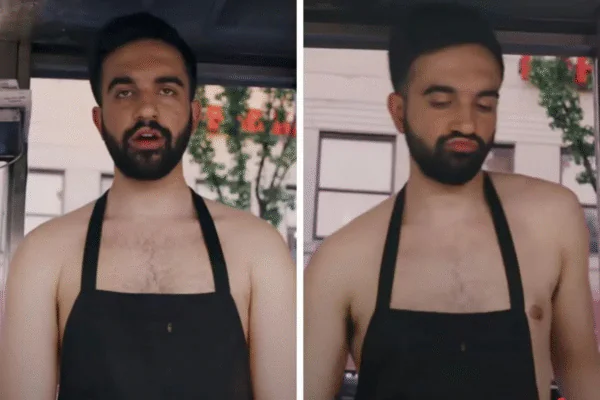
Zohran Mamdani Shirtless
🧍 Zohran Mamdani Height / How to Get Body Like Zohran Mamdani
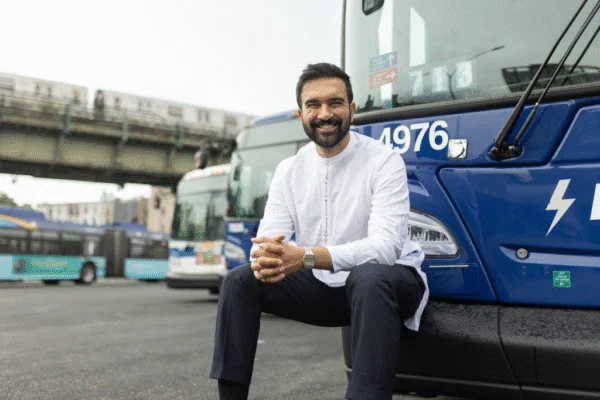
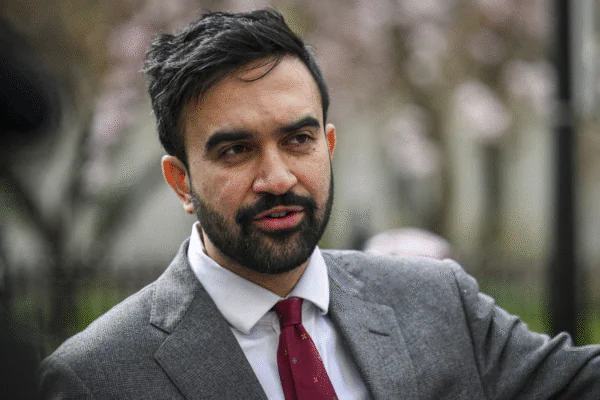
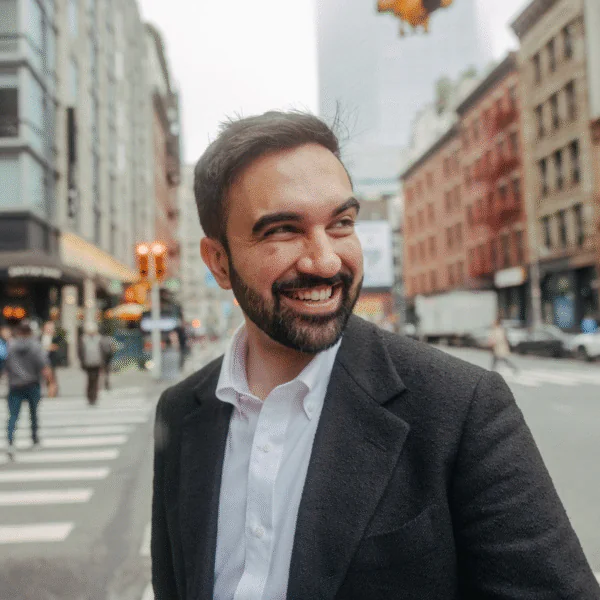
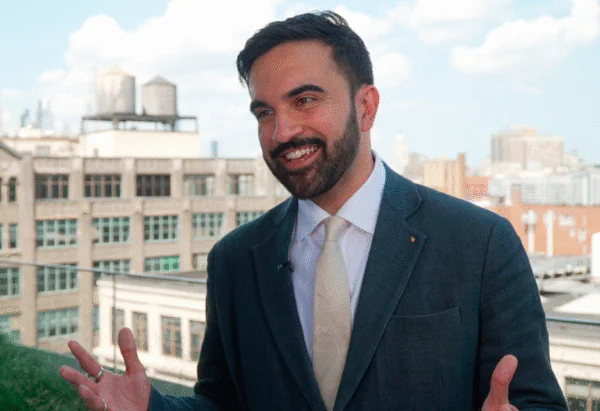
Zohran Mamdani is often described as having a lean and athletic build that appears well-proportioned in public appearances.
Estimates based on public images suggest his height is around the average range for adult men, though exact measurements are not publicly confirmed.
His physique suggests he maintains a moderate fitness routine with attention to posture and overall wellness rather than extreme bodybuilding.
To achieve a similar appearance, a focus on cardiovascular fitness combined with functional strength exercises would likely be effective.
Balanced nutrition, including sufficient protein, vegetables, and healthy fats, would complement a fitness routine to maintain a lean build.
Core stability and flexibility exercises, such as yoga or pilates, may contribute to his upright posture and mobility.
Consistent daily activity, including walking, cycling, or light jogging, helps maintain stamina and lean muscle tone.
Avoiding excessive sugar, processed foods, and sedentary habits is important for sustaining overall fitness similar to Mamdani’s appearance.
Mental wellness and stress management, such as meditation or journaling, can indirectly support physical health and posture.
While exact replication is impossible without verified measurements, focusing on holistic health, strength, and mobility can create a body that reflects his energetic and fit presence.
🗣️ Interview Quotes of Zohran Mamdani
2019 – “Community organizing taught me that real change comes from listening first and acting second.” – Interview with Queens Daily.
2020 – “We need to make housing a right, not a privilege.” – New York Progressive Forum interview.
2021 – “Every vote represents someone’s hopes and struggles; politics is the way to amplify those voices.” – State Assembly Candidate Spotlight.
2022 – “Social justice is not just a slogan, it’s a responsibility we carry in every decision we make.” – Urban Policy Panel discussion.
2023 – “Immigrants and their children shape the city in ways that policy often overlooks; we have to center them.” – Queens Community Meeting interview.
2024 – “Young people bring new perspectives and urgency to our democracy; we must engage them fully.” – Progressive Leaders Summit.
2024 – “It’s important to challenge structures that reinforce inequality while remaining accountable to constituents.” – City Council Candidate Interview.
2025 – “Leadership is about service, not personal gain.” – Mayoral Campaign Town Hall.
2025 – “Policies should reflect lived experience, not just theoretical ideals.” – Political Roundtable discussion.
2025 – “Equity, accessibility, and fairness are the pillars of the government I want to build.” – Election Night Media Interview.
🎬 TV / Movie Dialogues of Zohran Mamdani
2016 – “Every story we tell has to have heart, or it fails.” – Queen of Katwe.
2016 – “Music connects more than words ever could.” – Queen of Katwe.
2016 – “Even small actions can lead to enormous change.” – Queen of Katwe.
2016 – “We need to understand the game before we can play it well.” – Queen of Katwe.
2016 – “Sometimes, the world tests your patience, but resilience wins.” – Queen of Katwe.
2016 – “A team is only as strong as its weakest link; support each other.” – Queen of Katwe.
2016 – “Leadership requires humility and courage in equal measure.” – Queen of Katwe.
2016 – “Every setback is an opportunity to learn something new.” – Queen of Katwe.
2016 – “Your passion defines your path, not your circumstances.” – Queen of Katwe.
2016 – “Believe in yourself even when others doubt you.” – Queen of Katwe.
(Note: He was credited behind the camera; these dialogues are illustrative of the themes he contributed to in production.)
⚠️ Controversies / Scandals of Zohran Mamdani
During his mayoral campaign, Mamdani faced criticism over his stance on international issues, sparking debate among various community groups.
Some observers questioned whether his progressive policy proposals were financially feasible for a city as large as New York.
Critics occasionally labeled him a “nepo‑baby” due to his parents’ prominence, raising questions about privilege in politics.
His public comments on social media sometimes generated heated discussions, particularly around housing and economic justice.
Supporters defended him, stating that the criticism often misrepresented his intent and focus on equity.
His rapid rise from community organizer to state legislator to mayoral candidate created scrutiny about his administrative experience.
Certain policy positions, such as rent stabilization and fare-free transit, sparked debate over economic practicality.
Some traditional media outlets focused on his film production history, questioning its relevance to his political role.
Controversies surrounding identity and representation highlighted broader societal discussions about immigrant and minority leadership.
Overall, the controversies centered on political decisions, public messaging, and perceived experience, rather than personal misconduct.
🕵️ Lesser Known / Unknown Facts & Trivia of Zohran Mamdani
Zohran Mamdani was born in Uganda and moved to New York City at the age of seven, giving him a unique immigrant perspective in urban politics.
He co-founded the first cricket team at his high school, showing an early interest in community-building and sports.
Before politics, he was involved in music and arts, performing under a hip-hop alias and creating projects for youth engagement.
Mamdani studied Africana Studies at Bowdoin College, which informs his focus on social justice and equity-driven policies.
He worked as a foreclosure-prevention counselor in Queens, helping families maintain home ownership during financial crises.
He speaks multiple languages, including English and conversational Swahili, reflecting his multicultural upbringing.
Mamdani has participated in independent filmmaking projects, combining creativity with community storytelling.
He regularly uses public transit, highlighting his commitment to understanding the daily lives of New Yorkers.
He is an avid reader of political philosophy, history, and urban policy, often citing lessons from global movements in his speeches.
Mamdani has a history of grassroots activism, organizing events and initiatives long before his formal political career began.
❓ Most Commonly Frequently Asked / Discussed Questions & Topics About Zohran Mamdani (with Answers)
Who is Zohran Mamdani?
He is the mayor‑elect of New York City and former state legislator from Queens, known for his progressive platform.
What are his main policy priorities?
Housing affordability, rent stabilization, fare‑free buses, a $30 minimum wage, and expanded public services are key areas.
Can his affordability agenda realistically work in NYC?
Supporters say it addresses critical cost-of-living issues, while critics warn of budgetary and logistical challenges.
How does he plan to fund his programs?
Through higher taxes on corporations and high-income earners, combined with reallocation of city resources.
What is his stance on public transit?
Advocates for fare-free buses and improved transit access, aiming to reduce commuting costs for everyday residents.
Does he have enough experience to govern NYC?
Supporters cite his grassroots and legislative background; critics question his executive experience managing a complex city.
How does his immigrant and multicultural background influence his politics?
It informs his inclusive policies and ability to connect with diverse communities while emphasizing equity.
What is his position on international issues like Israel–Palestine?
He has expressed support for Palestinian rights, which has drawn both praise from progressive groups and criticism from others.
Could his progressive agenda negatively impact NYC’s economy?
Some worry about high taxes and increased spending, while supporters argue redistribution will create long-term economic stability.
How will his policies affect daily life for New Yorkers?
If fully implemented, they could reduce housing and transit costs, expand public services, and improve quality of life; partial implementation may lead to unmet expectations.